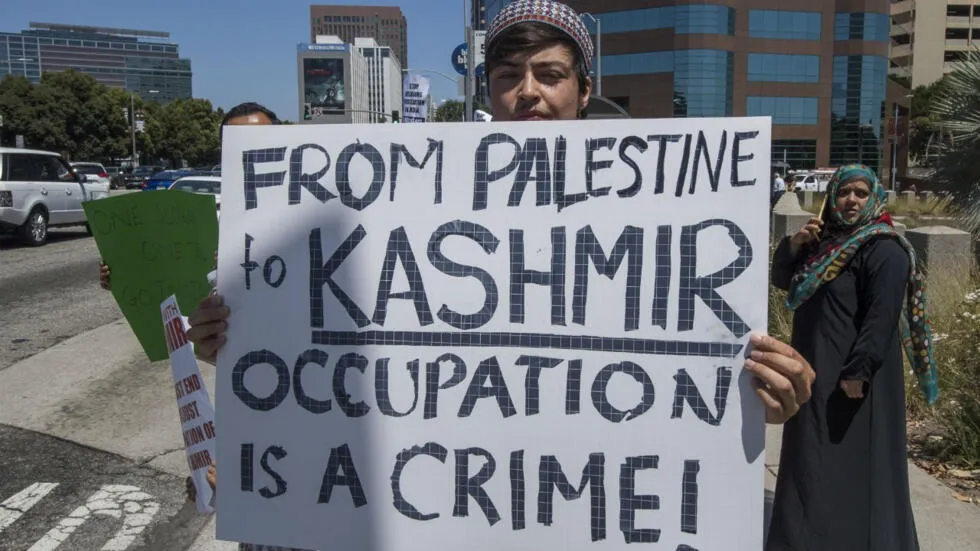
Some conflicts refuse to end because they are not about territory alone. Kashmir and Palestine are two such examples. Geography matters, but faith, history, and identity matter even more. When land becomes connected with sacred meaning, compromise becomes far more difficult.
Modern diplomacy often examines conflicts through the traditional lenses of security, power, and national interest. These factors remain important. However, they do not always explain why certain disputes continue across generations.
The changing regional and international order has brought interstate relations and interfaith relations into closer interaction. Some conflicts cannot be understood through the framework of state relations alone. They also require an understanding of how societies interpret faith, memory, and belonging.
A phenomenological approach, informed by hermeneutics, provides a wider perspective. It helps explain not only how states pursue interests, but also how communities understand sacred space, historical experience, and collective identity. Through this lens, Kashmir and Palestine are not simply territorial questions. They are also questions of faith, memory, and human dignity.
This dimension explains why many diplomatic initiatives struggle to achieve lasting results. The Oslo peace process created hope but could not overcome deep disagreements linked to history, identity, and sacred geography. Similarly, in South Asia, several rounds of dialogue between India and Pakistan created opportunities for engagement, yet a durable settlement remained difficult.
The challenge is not only diplomatic. It is also domestic. Leaders negotiate within political environments shaped by public emotions and historical narratives. In many societies, compromise on issues connected with identity is viewed with caution. Political parties, media environments, and social movements often reinforce these sensitivities. The space for flexibility becomes smaller.
The human cost of these unresolved conflicts has been immense. International research institutions have repeatedly highlighted the economic and humanitarian consequences of prolonged instability in the Middle East and South Asia. Behind every number are families affected by violence, displacement, and uncertainty.
Pakistan’s diplomatic approach to these issues reflects a combination of principle and engagement. On Kashmir, Pakistan has consistently maintained its position regarding self-determination within the framework of United Nations resolutions. At the same time, it has supported dialogue, confidence-building measures, and peaceful engagement as essential elements for regional stability.
On Palestine, Pakistan has maintained longstanding diplomatic support for the rights of the Palestinian people and the establishment of a sovereign Palestinian state based on internationally recognised principles. Islamabad has consistently raised this issue at international forums while supporting diplomatic efforts aimed at achieving a just and lasting solution.
Recent developments in the Middle East also provide important lessons. The Abraham Accords demonstrated that diplomatic openings can emerge even after decades of political disagreement. Their long-term impact will continue to be assessed. However, they show that economic cooperation, regional connectivity, and sustained dialogue can create new possibilities for engagement.
At the same time, every conflict has its own historical and social context. Lessons from one region cannot simply be transferred to another. Kashmir and Palestine each carry unique political, cultural, and religious realities. Any meaningful peace process must recognise these differences.
Comparative religion offers another important insight. Religion is often viewed only as a source of division. History also shows that faith traditions have contributed to reconciliation, coexistence, and forgiveness. Interfaith dialogue should therefore become part of broader peace-building efforts. It cannot replace diplomacy, but it can support the trust required for diplomacy to succeed.
The consequences of unresolved conflicts extend beyond their immediate regions. Instability affects energy markets, trade routes, investment confidence, and global economic security. Developing countries often experience these pressures most severely. Pakistan, like many emerging economies, must balance domestic development priorities with external geopolitical challenges.
Modern conflicts cannot be explained through power politics alone. They cannot be explained through identity alone either. Strategic interests, religious beliefs, historical memories, and domestic politics interact with one another. Effective diplomacy must recognise this complexity.
Also Read: Uzbekistan Emerges as a Leading Operational Hub for Technology Companies
The future of conflict resolution requires a broader approach. Formal negotiations must be supported by economic cooperation, regional partnerships, people-to-people connections, and meaningful engagement with religious communities.
Kashmir and Palestine remind the international community of a basic reality. Peace is not achieved only through agreements between states. It also requires understanding the beliefs and memories of the people who live with the consequences of conflict.
Diplomacy must therefore address both borders and beliefs. Without recognising this connection, even the most carefully designed agreements may struggle to achieve lasting acceptance.

Syed Rahim Shah
Deputy Director International Relations National Assembly Secretariat