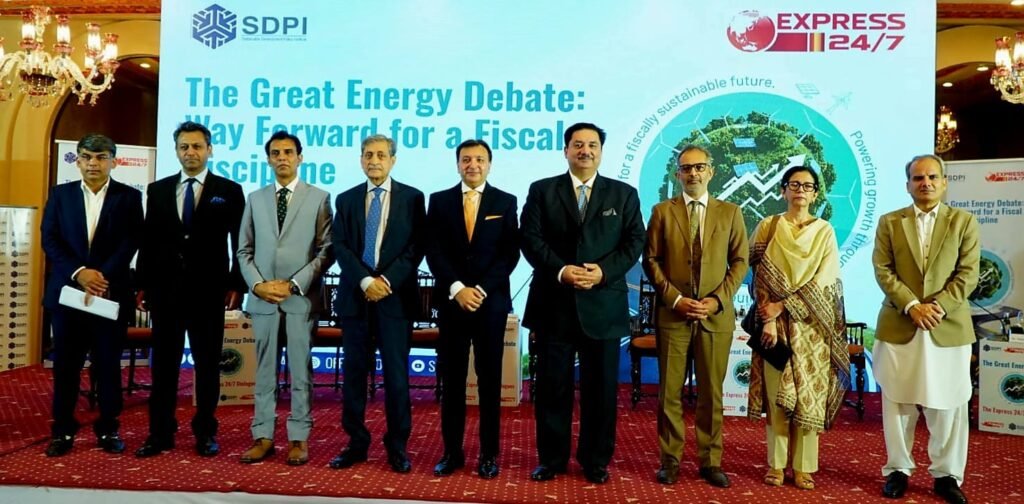
ISLAMABAD (GNP ): Parliamentarians and experts, at a great debate on Wednesday, warned that geopolitical tensions, particularly the Middle East conflict and disruptions around the Strait of Hormuz, have exposed Pakistan’s vulnerability to external energy shocks, stressing an urgent need for structural reforms in the energy sector.
The Great Energy Debate: Way Forward for Fiscal Discipline was organised by the Sustainable Development Policy Institute. Speakers called for targeted subsidies, integrated energy planning, transparent policymaking and accelerated investment in local and renewable energy resources to steer Pakistan through mounting fiscal and energy challenges.
Federal Minister for Petroleum Ali Pervaiz Malik said Pakistan had successfully maintained seamless fuel supplies despite unprecedented global pressures and crude oil price volatility, without adding a single rupee to circular debt in the oil supply chain. He said resilient energy value chains could not be built on a single pillar and called for a practical transition balancing conventional fuels with renewables. He revealed that Turkish Petroleum is partnering with local firms to explore new oil fields in Pakistan, adding that the country requires $200 to $300 billion in investment to build renewable energy infrastructure.
Minister of State for Finance Bilal Azhar Kayani said diversification and indigenisation of the energy supply chain through hydel and solar remains a government priority. He said refinery upgrades are underway to achieve Euro-5 compliant fuel production and noted that electric vehicles represent the future, with market-driven adoption expected to grow as EVs become economically viable for consumers.
SDPI Executive Director Dr Abid Qaiyum Suleri said the dialogue was being held at a critical time with the federal budget under preparation amid an IMF programme and escalating regional tensions. He said the government had managed fuel supplies efficiently without resorting to rationing, unlike some regional countries. He called for replacing blanket subsidies with targeted support through programmes like BISP and urged policymakers to rethink Pakistan’s solar energy rollout, grid connectivity and long-term energy mix.
MNA Dr Nafeesa Shah warned that Pakistan remained highly vulnerable to Gulf oil supply disruptions, with nearly 70 percent of its oil imports routed through the Strait of Hormuz. She criticised poor governance, irrational agreements and rising circular debt, noting the absence of strategic oil and gas reserves. She called for a new energy paradigm rooted in sovereignty, local resources, renewable energy and equitable energy federalism, urging provinces be included in energy planning.
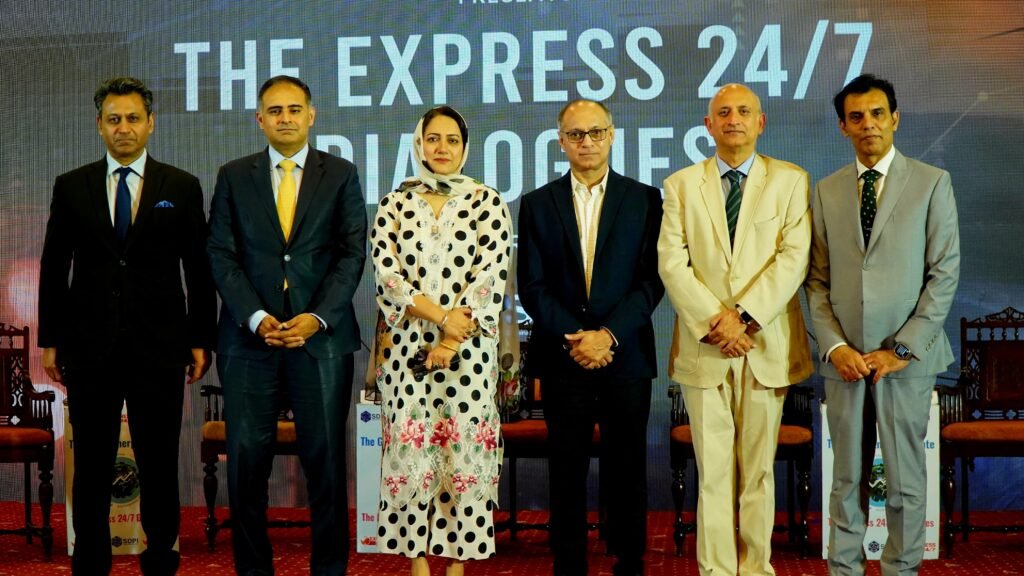
Senior journalist Fahad Hussain said Pakistan faced circular debt, policy inconsistency, imported fuel dependence and rising energy insecurity, requiring a broader national dialogue rather than political polarisation.
Chairman of the National Assembly Standing Committee on Finance Syed Naveed Qamar, chairing the concluding session, said Pakistan did not lack solutions but lacked the fiscal space to absorb energy shocks. He stressed governance reforms, indigenous fuel resource development and a clear roadmap for local energy mobilisation in the upcoming budget.
During the first technical session, CEO Attock Refinery Adil Khattak called for accelerated refinery modernisation and billions in investment to upgrade local refining capacity, while also proposing integrated leadership for the energy ministry. PRIME Executive Director Dr Ali Salman advocated deregulation and consumer-friendly pricing, while senior economist Dr Khaqan Hassan Najeeb called for integrated energy planning, a single coordinated regulator and greater use of railways over road freight. Senior economist Afia Malik stressed that energy affordability and access must be central to energy security policy, highlighting the absence of battery and energy storage systems and the need for tax reforms and policy consistency.
SDPI Deputy Executive Director Dr. Sajid Amin Javed said panic-driven fuel pricing decisions and delayed transmission of global price changes have deepened inflationary pressures and market uncertainty.
Also Read: Pak-China Business Forum Highlights Investment Prospects
Former federal minister Khurram Dastagir Khan called Pakistan’s governance and cabinet systems obsolete in addressing modern energy challenges, urging professional expertise in the power ministry and alignment of energy governance with industrial growth and employment generation.
Former Board of Investment chairman Haroon Sharif advocated technology-driven governance reforms, supply chain diversification and a shift from road to rail freight, while also suggesting renegotiation of the Pak-Iran gas pipeline for geopolitical and economic gains.
Senior journalist Shahbaz Rana stressed that fiscal stability is the need of the hour as the poor and vulnerable bear the heaviest burden of economic pressures, adding that political wisdom is essential for governance revival.
Journalist Asma Shirazi criticised elite capture and policy inconsistency in the energy sector, arguing that policies framed without public consultation have consistently failed to address ground realities.
Khurram Husain observed that decades of unsustainable power sector policies and IPP arrangements had left Pakistan with one of the largest circular debts in the region.

Sohail Majeed is a Special Correspondent at The Diplomatic Insight. He has twelve plus years of experience in journalism & reporting. He covers International Affairs, Diplomacy, UN, Sports, Climate Change, Economy, Technology, and Health.