Islamabad : Tunisian Charge d’ Affaires, Dorasaf Maaroufi, said there are strong historical ties between Tunisia and Pakistan, especially Pakistan’s support for Tunisia at the United Nations. She noted that this celebration reflects continued commitment to stronger relations.
She emphasized boosting trade through the Preferential Trade Agreement, expanding cultural and tourism links, and strengthening people to people connections. She also highlighted Tunisia’s organic olive oil expertise as a key area for cooperation. She further said that we are focused on people-to-people connections and Tunisia looks forward to enhancing its relationship with Pakistan. She also said that Tunisia offers Pakistan a partnership through the olive oil trade which can further be leveraged by the Preferential Trade Agreement.
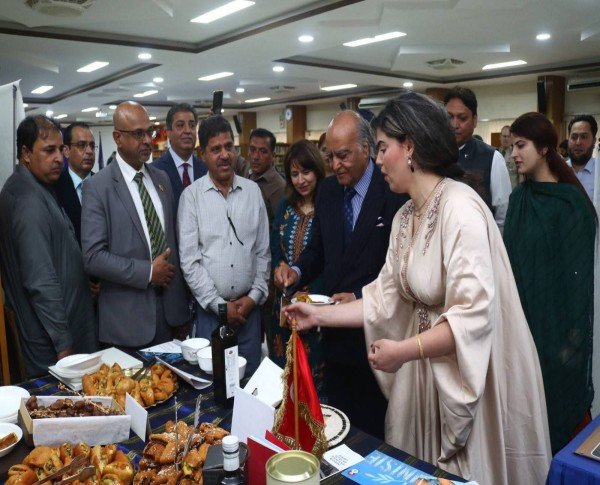
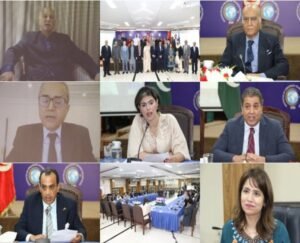
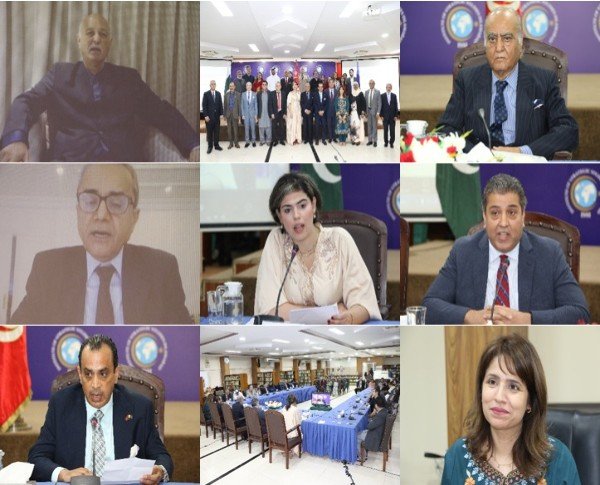
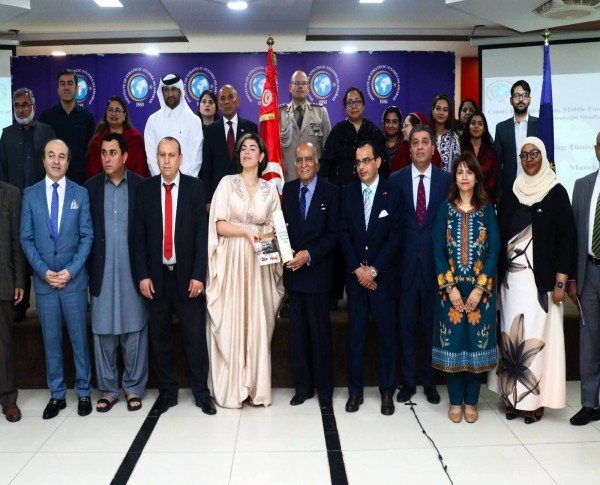
Centre for Afghanistan, Middle East & Africa (CAMEA) at the Institute of Strategic Studies Islamabad (ISSI), in collaboration with Pakistan Africa Institute for Development and Research (PAIDAR), organized an event to commemorate Tunisia’s Independence Day.
The proceedings which began with the national anthems of Pakistan and Tunisia, were moderated by Dr. Amina Khan, Director CAMEA. Speakers included Ambassador Khalid Mahmood, Chairman BOG ISSI; the Chief Guest on the occasion was Senator Mushahid Hussain Sayed, President PAIDAR. Dorsaf Maaroufi, Charge d’ Affairs of Tunisia to Pakistan; Javed Ahmed Umrani, Ambassador of Pakistan to Tunisia, Ammad Rasheed, Honorary Consul General for Tunisia, Khyber Pakhtunkhwa and Mohammad Hameed, Honorary Consul General, Punjab also spoke on the occasion.
Ambassador Khalid Mahmood, in his opening remarks highlighted that the 70th anniversary of Tunisia’s independence reflects the resilience and determination of the Tunisian people. He noted that Pakistan and Tunisia share a historic bond rooted in Pakistan’s support for Tunisia’s self-determination, which has evolved into growing economic and commercial cooperation since the establishment of diplomatic ties in 1957. He emphasized that while bilateral trade remains modest, there is strong potential to expand it in sectors such as textiles, pharmaceuticals, agriculture, and manufacturing, supported by institutional mechanisms like the Joint Ministerial Commission and Bilateral Political Consultations and by leveraging opportunities under African Continental Free Trade Area.
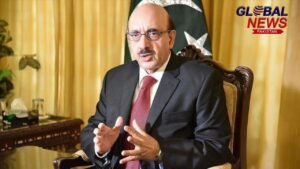
Senator Mushahid Hussain Sayed, while speaking on the occasion stated that Tunisia plays a leading role in African politic and Pakistan was one of the first countries to support Tunisia’s independence. The PLO was given sanctuary in Tunisia in the 1990s and like Pakistan, Tunisia is also a strong supporter of Palestine. Both countries enjoy warm relations and there are immense opportunities to enhance trade and cooperation in various fields. The time has come to take this relationship forward as both countries are a part of the Global South. Praising Tunisia’s resilience and leadership, he called for stronger trade, education, and cultural exchanges, advocating deeper people-to-people and business linkages. He reaffirmed Pakistan’s commitment to Africa, emphasizing that the future belongs to the Global South.
Ambassador Javed Umrani said that Pakistan and Tunisia continue to strengthen their bilateral relations, with trade showing a positive upward trajectory. Business communities and chambers of commerce on both sides have been actively engaged in fostering closer economic ties, including a 17-member delegation that visited Tunisia last year, where productive meetings were held with counterparts and several MoUs were signed. While these developments are encouraging, there remains significant potential that both sides must work harder to realize.
Ammad Rasheed, while expressing his views said that we are actively working to further deepen these ties, particularly in the fields of trade, tourism and cultural exchange. Over the past few years, efforts in Peshawar and across Khyber Pakhtunkhwa have focused on building bridges connecting business communities and creating awareness about Tunisia as a gateway to Europe and Africa.
Mohammad Hameed, stated that Tunisia and Pakistan have a great relationship and it must be taken forward in areas like textiles and therefore it is important that the trade agreement gets through as it will provide more opportunities for cooperation. Similarly, technology transfer regarding olive oil trade can also reap benefits for Pakistan.