By Amjad Jamal
Before sunrise in many urban neighborhoods, residents check their water tanks as if counting gold. Some find only a trickle; others wait anxiously for the next tanker to arrive. In cities across Pakistan, municipal pipelines often fail to deliver even basic supply, and families are increasingly dependent on water tankers. For many, water is no longer a given, it is a daily struggle.
As the world marks World Water Day 2026, this struggle reflects a wider crisis. Pakistan is facing shrinking water availability, and its major cities are already feeling the pressure. Rapid urban growth, over-reliance on groundwater, and unreliable surface water sources are quietly reshaping urban life.
In Islamabad, sectors under the Capital Development Authority (CDA) and the Federal Government Employees Housing Authority (FGEHA) are struggling to maintain pipelines. While these authorities operate tanker services, access is uneven and far from sufficient. Complaint systems, including CDA’s water helpline and FGEHA’s mobile application, are widely viewed as ineffective. In this vacuum, private tanker operators have emerged as an unregulated and expensive alternative, often described as a “tanker mafia.” The burden of securing water has shifted from institutions to individuals.
Surface water sources, including Simly Dam, Rawal Lake, and Khanpur Dam, remain vital but increasingly unreliable due to erratic rainfall, sedimentation, and rising demand. As a result, cities rely heavily on groundwater, which is being extracted faster than it can naturally recharge.
Tube wells, both legal and illegal, are draining aquifers at unsustainable rates. Experts warn that, if current trends continue, groundwater levels in major urban centers could drop to critical levels within decades. Aging pipelines, leakages, and limited storage further weaken municipal water systems. In cities like Lahore, piped water is increasingly unsafe to drink, and groundwater quality remains a significant concern even where quantity is adequate.
This local struggle mirrors a national crisis. Pakistan is among the most water-stressed countries in the world. Population growth, inefficient agriculture, urban sprawl, and weak governance compound the problem. From Karachi to smaller towns, urban centers face rising demand and deteriorating infrastructure, while rural communities continue to struggle with access to safe drinking water.
Solutions exist but require urgent action. Regulating groundwater extraction, protecting recharge zones, improving pipeline systems, scaling up rainwater harvesting, and promoting wastewater recycling are all critical. Above all, citizens and institutions alike must adopt water-conscious behaviors to prevent a full-blown crisis.
World Water Day is more than a symbolic date, it is a reminder that the story of water in Pakistan is about choices, governance, and equity. Without decisive action, even cities blessed with rivers and reservoirs may one day find their taps running dry. But with strategic planning, infrastructure improvement, and collective responsibility, a sustainable water future remains within reach.
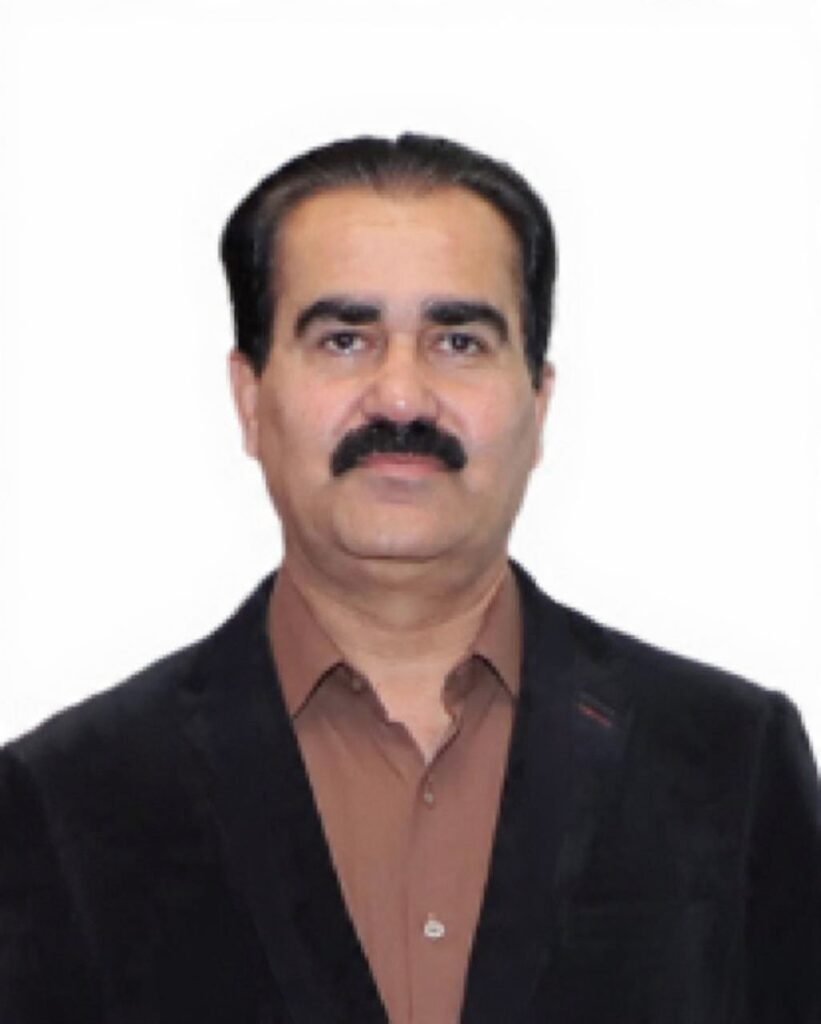
Amjad Jamal is a communications professional with over two and half decades of extensive experience of working with government and development sector, the United Nations World Food Programme (WFP). Currently currently working with the International Water Management Institute (IWMI) focusing on climate resilience, water governance, and public awareness.
Disclaimer: The views and opinions expressed in the article belong solely to the author, and not necessarily to the author’s employer, organization, or other group or individual.