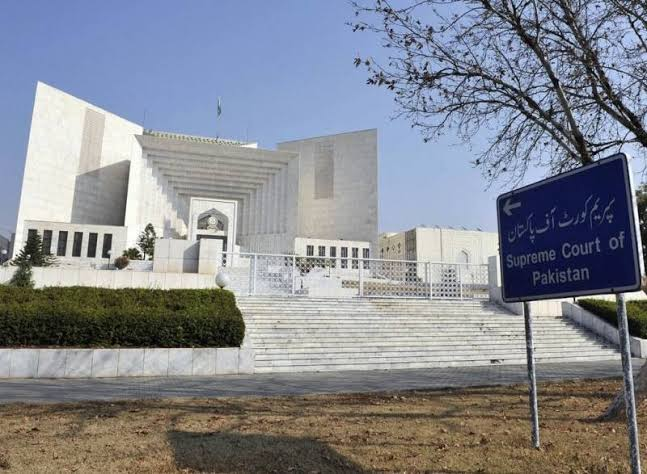
Islamabad (GNP): The Supreme Court of Pakistan has ruled that mental torture and emotional abuse are as serious as physical violence, in a judgment expected to have far-reaching effects on family law and women’s rights in the country.
The ruling says psychological suffering, harassment, intimidation and emotional cruelty can cause severe harm. Courts should treat them with the same seriousness as physical abuse when examining family disputes and marital cases.
The court observed that domestic violence goes beyond physical assault and includes emotional and psychological harm that can significantly affect a person’s well-being, dignity and quality of life. The judgment reinforces the principle that mental torture within a marriage cannot be ignored and should be an important factor when authorities evaluate family disputes, separation matters and allegations of domestic abuse.
In another significant part of the ruling, the court stated that a woman cannot be divorced through a court order without her consent. The judgment underscores the need to protect a woman’s legal rights and to ensure that decisions on marriage and divorce are made within the framework of law and justice.
Legal experts described the decision as a major step forward in strengthening protection for victims of domestic violence. Legal analysts believe the ruling also strengthens safeguards for women and promotes fairness in family court proceedings.
Women’s rights organizations welcomed the judgment, calling it a positive development for gender justice and legal protection. Rights advocates say it reflects growing recognition of the emotional and psychological challenges victims face in abusive relationships.
According to legal observers, the ruling sends a strong message against domestic abuse, coercion, harassment and emotional cruelty, while reinforcing constitutional protections related to human dignity and equality.
Also Read: Trump Urges Tehran to Accept Deal, Claims Victory at Hand
The decision comes as Pakistan continues its efforts to address domestic violence, workplace harassment and gender-based discrimination through legal reforms, awareness campaigns and institutional mechanisms. It is being viewed as a significant milestone in those efforts because it gives stronger legal recognition to victims of psychological abuse and emotional trauma.
Experts believe the judgment may encourage more victims to seek legal remedies and report cases of mental harassment and domestic mistreatment. Lawyers and social policy experts described it as a progressive interpretation of family law that matches modern understandings of domestic abuse, noting that emotional violence can leave long-lasting effects that are not visible but can be as damaging as physical injuries.
The ruling is expected to serve as an important precedent in future cases involving domestic violence, marital disputes and women’s rights, and to influence how courts handle family law matters across the country.

I am Areesha, a 3rd-year International Relations student with a strong academic focus on Foreign Policy, International Law, History of International Relations, Non-State Actors, and Diplomacy & Statecraft. With a diverse internship background including HESCO, ISPR, and a current Research and Media Newsletter internship focused on Climate and Economy, I bring a unique blend of analytical thinking, research skills, and media understanding. I am passionate about translating complex global affairs into engaging, reader-friendly, and SEO-optimized content. My academic training in IR has equipped me with excellent research, critical analysis, and structured writing skills, which I now aim to apply in the field of SEO writing and digital content creation. Seeking an opportunity as an SEO Writer Intern where I can contribute with well-researched, impactful, and search-optimized content.