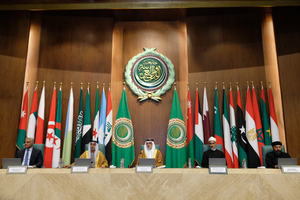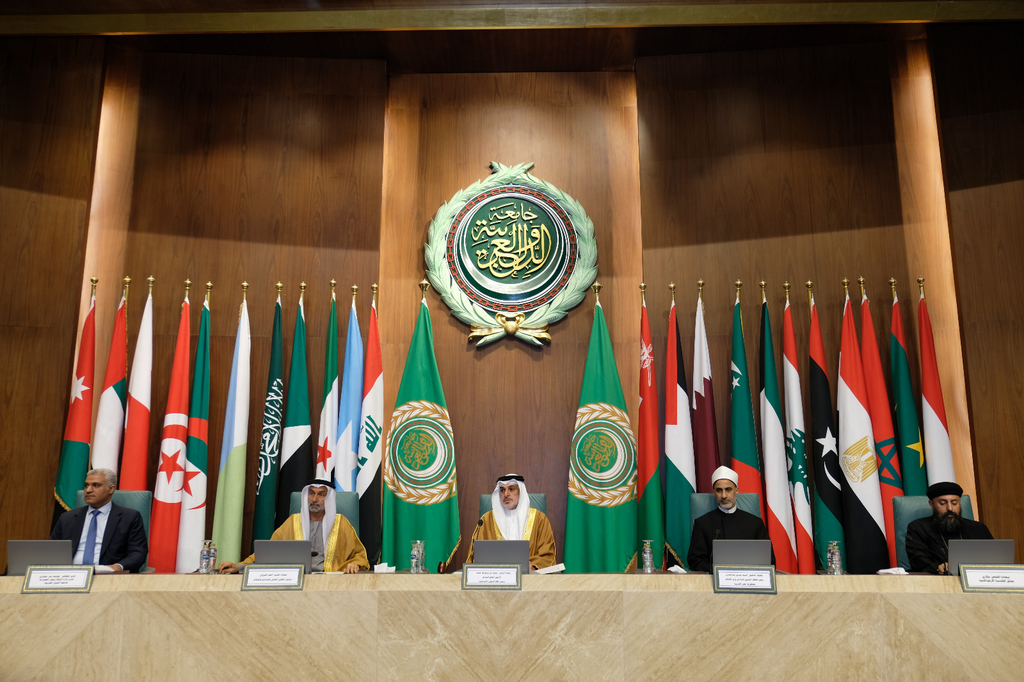
Cairo (GNP): The League of Arab States and the Global Council for Tolerance and Peace have launched the Arab Declaration on Tolerance and Peace, a framework that urges Arab countries to counter hatred, extremism and violence through religious, legislative and educational channels.
The launch took place on Monday at the close of the Arab Conference on Tolerance and Peace. It was timed to coincide with the International Day for Tolerance, observed every year on November 16.
The declaration puts into effect a resolution adopted by the Council of the League of Arab States at ministerial level on September 7. That resolution endorsed the text and urged Arab countries to implement its provisions and achieve its objectives.
At its core, the document reaffirms the commitment of Arab states to strengthen their ties on the basis of respect for sovereignty. It links this to safeguarding their future and fulfilling their aspirations, in line with the Charter of the League of Arab States.
To turn that commitment into practice, the declaration first looks to official religious institutions. It calls on them to teach younger generations the values of tolerance, peace and human fraternity, while rejecting hatred, extremism, racism and violence.
It then turns to lawmakers. The text stresses the role of legislative bodies in enacting national laws that strengthen a country’s ability to confront hatred, extremism, violence and terrorism.
National parliaments are also asked to adopt mechanisms for peaceful mediation of disputes and social tensions. The declaration encourages them to issue resolutions and statements condemning hate speech, extremism and acts of violence.
On interfaith dialogue, it highlights the value of working groups or permanent committees within parliaments. These bodies would operate in coordination with other parliaments, religious institutions and representatives of civil society.
Also Read: ECO Backs Pakistan and Qatar Mediation to End US-Iran War
Classrooms form the next pillar. The declaration says basic education curricula should include peaceful coexistence, tolerance and human rights, along with school activities that promote citizenship and equality.
It adds that curricula must be free from ideas that incite extremism or racism, or that promote religious, racial, sectarian or other forms of discrimination identified in relevant international conventions.
The final element is research. The declaration highlights the importance of directing scientific work toward the causes of ethnic and sectarian conflicts and the spread of hatred, while exploring ways to advance tolerance and the principles of peace.
Taken together, these measures give Arab governments a shared set of steps for promoting coexistence through faith institutions, parliaments, schools and academic study.

Managing Editor at Global News Pakistan (GNP), with a Bachelor's degree in International Relations from Riphah International University, graduated with a Gold Medal. Reach out at sabahtareengnp@gmail.com