
Islamabad(GNP): Pakistan is facing an alarming health challenge as millions of people continue to live with diabetes, often without knowing they have the condition. Unhealthy eating habits, physical inactivity, excessive consumption of sugary drinks and changing lifestyles are contributing to a growing public health problem.
According to the International Diabetes Federation (IDF), approximately 34.5 million adults in Pakistan were living with diabetes in 2024, representing 31.4 per cent of the adult population. This means almost one in three adults in the country is affected.
The growing Diabetes Crisis is particularly concerning because many people remain undiagnosed until the disease begins damaging their health. As November 14 approaches, World Diabetes Day provides an opportunity to raise awareness about prevention, early diagnosis and the importance of healthier lifestyles.
The situation also raises serious questions about Pakistan’s healthcare system, public awareness and the long-term consequences of unhealthy modern habits.
Pakistan’s Diabetes Crisis Is Getting Worse
The scale of Pakistan’s Diabetes Crisis highlights the urgent need for stronger preventive healthcare and public awareness.
The IDF estimates that the number of adults living with diabetes in Pakistan could reach approximately 42.9 million by 2030. By 2045, that figure could increase to around 62 million.
These projections demonstrate how serious the situation could become if preventive measures and healthcare access do not improve.
Diabetes is no longer a health concern limited to older adults. Younger people are increasingly exposed to risk factors associated with modern lifestyles, including poor diets, reduced physical activity and long hours of sitting.
Rapid urbanisation has also changed everyday routines. More people depend on vehicles, spend extended periods working indoors and consume processed foods because of convenience.
Together, these lifestyle changes are contributing to the growing Diabetes Crisis across Pakistan.
The Hidden Sugar Trap Behind Type 2 Diabetes
Type 2 diabetes is the most common form of diabetes worldwide, accounting for more than 90 per cent of cases.
It develops when the body does not use insulin effectively or cannot produce enough insulin to maintain healthy blood glucose levels.
Excess body weight, physical inactivity, unhealthy diets, family history and other genetic and social factors can increase the risk of developing the condition.
Excessive consumption of sugary drinks, sweets and highly processed foods can contribute to weight gain and poor metabolic health, particularly when combined with a lack of physical activity.
However, diabetes is not simply caused by eating sugar. It is a complex condition influenced by several factors, including genetics, lifestyle and overall health.
Understanding these causes is important because the Diabetes Crisis cannot be addressed through sugar reduction alone. People also need access to accurate medical information, healthier food choices and regular physical activity.
ALSO READ: Cabinet Committee Approves Key SOE Board Changes
Why Are Younger People Increasingly at Risk?
One of the most concerning aspects of Pakistan’s Diabetes Crisis is the growing exposure of younger adults to risk factors associated with type 2 diabetes.
Modern lifestyles have significantly changed daily habits, particularly in urban areas.
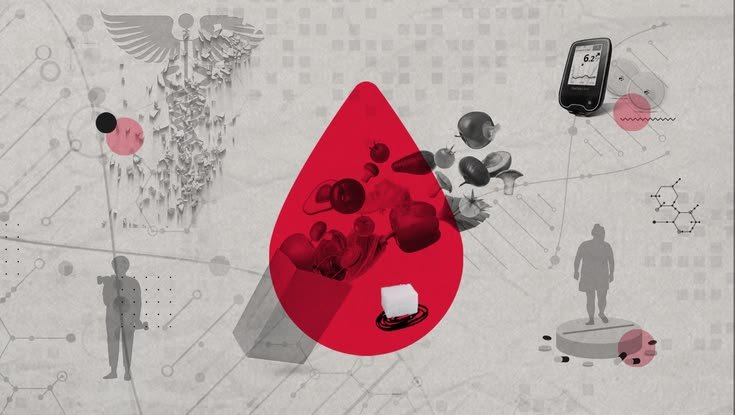
Many people spend long hours sitting at desks, using computers or travelling in vehicles. Physical activity has become less common, while processed meals and sugary beverages are widely available.
Busy schedules can also make it difficult to prepare balanced meals or maintain regular exercise routines.
Although family history and genetics cannot be changed, lifestyle-related risk factors can often be improved.
Encouraging healthier habits from an early age can help reduce the risk of developing type 2 diabetes later in life.
Diabetes Symptoms That Should Never Be Ignored
Diabetes can develop gradually, and some people may live with the condition for years without experiencing obvious symptoms.
Recognising early warning signs is important because untreated or poorly controlled diabetes can damage several organs.
Common symptoms include:
- Frequent urination: Needing to urinate more often than usual.
- Excessive thirst: Feeling unusually thirsty throughout the day.
- Constant tiredness: Experiencing fatigue even after adequate rest.
- Blurred vision: Changes in eyesight caused by elevated blood glucose.
- Unexplained weight changes: Losing weight without deliberately changing diet or exercise.
- Increased hunger: Feeling hungry more frequently than usual.
Not everyone experiences these symptoms. Some people discover they have diabetes only after undergoing routine blood tests or developing complications.
People with risk factors, including a family history of diabetes or excess body weight, should discuss appropriate screening with healthcare professionals.
Early diagnosis can make a significant difference in managing the Diabetes Crisis at an individual level.
Simple Lifestyle Changes That Can Help Prevent Diabetes
Preventing or delaying type 2 diabetes does not necessarily require expensive diets, complicated fitness programmes or completely abandoning traditional foods.
Small, consistent changes can improve overall health and reduce several diabetes risk factors.
1. Reduce Sugary Drinks
Soft drinks, sweetened juices and energy drinks can add significant amounts of sugar to daily diets. Replacing them with water or unsweetened beverages is a practical first step.
2. Choose Healthier Meals
Adding vegetables, pulses, whole grains and other fibre-rich foods can improve dietary quality. Controlling portion sizes is equally important.
3. Stay Physically Active
Walking, cycling, swimming and other regular physical activities can improve insulin sensitivity and help maintain a healthy weight.
4. Limit Highly Processed Foods
Reducing frequent consumption of deep-fried foods, packaged snacks and highly processed meals can support better metabolic health.
5. Maintain a Healthy Weight
For people carrying excess weight, even moderate and sustainable weight loss can help lower the risk of developing type 2 diabetes.
These measures are particularly important in countries such as Pakistan, where the Diabetes Crisis is placing increasing pressure on families and healthcare services.
Why Early Diagnosis and Regular Testing Matter
One of the biggest challenges in controlling diabetes is that people may not recognise the condition until complications develop.
Regular blood glucose testing can help identify elevated blood sugar levels before serious health problems occur.
Healthcare professionals may recommend tests such as fasting blood glucose or HbA1c, depending on a person’s medical history and risk factors.
The HbA1c test provides an estimate of average blood glucose levels over approximately the previous three months.
Early diagnosis allows patients to receive appropriate medical advice, treatment and monitoring.
People already living with diabetes also need regular check-ups to reduce the risk of complications involving the eyes, kidneys, nerves, heart and blood vessels.
The growing Diabetes Crisis makes accessible screening and affordable treatment essential parts of Pakistan’s healthcare priorities.
Diabetes Is Not Just a Health Problem but an Economic Burden
The consequences of diabetes extend beyond physical health.
Poorly controlled diabetes can lead to serious complications requiring long-term medical treatment, hospital visits and expensive medication.
For many Pakistani households, these costs can create significant financial pressure.
The condition can also affect a person’s ability to work, maintain daily activities and support their family.
At a national level, increasing diabetes cases place additional pressure on healthcare facilities and public health budgets.
Preventing or delaying complications through early diagnosis, regular monitoring and appropriate treatment can reduce both personal suffering and long-term economic costs.
World Diabetes Day 2026: Why Awareness Matters
World Diabetes Day is observed annually on November 14 to highlight the growing impact of diabetes and encourage better prevention, diagnosis and treatment.
The observance provides an opportunity for governments, healthcare professionals and communities to address common misconceptions and improve public understanding.
In Pakistan, awareness campaigns are particularly important because millions of adults are already living with diabetes.
People need reliable information about risk factors, symptoms, screening and treatment rather than depending on unverified remedies or misleading health claims.
Diabetes is a lifelong condition that requires proper medical management. Herbal drinks, home remedies and restrictive diets should never replace prescribed treatment or professional medical advice.


I am Areesha, a 3rd-year International Relations student with a strong academic focus on Foreign Policy, International Law, History of International Relations, Non-State Actors, and Diplomacy & Statecraft. With a diverse internship background including HESCO, ISPR, and a current Research and Media Newsletter internship focused on Climate and Economy, I bring a unique blend of analytical thinking, research skills, and media understanding. I am passionate about translating complex global affairs into engaging, reader-friendly, and SEO-optimized content. My academic training in IR has equipped me with excellent research, critical analysis, and structured writing skills, which I now aim to apply in the field of SEO writing and digital content creation. Seeking an opportunity as an SEO Writer Intern where I can contribute with well-researched, impactful, and search-optimized content.