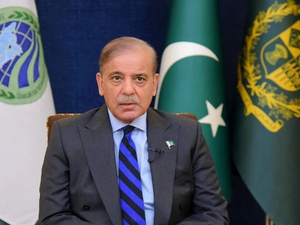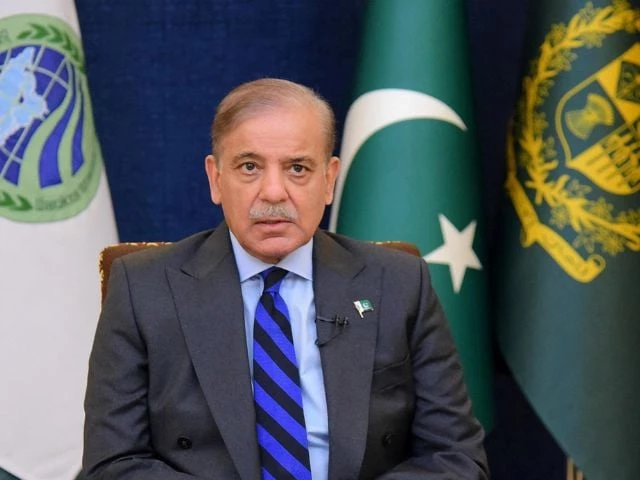
Islamabad (GNP): Prime Minister Shehbaz Sharif has formed an eight-member ministerial committee to review a set of proposed changes to Pakistan’s liquefied petroleum gas (LPG) policy. The move comes as prices rise sharply after supply disruptions.
The committee will be headed by the petroleum minister. Its members include the ministers for economic affairs and information, the prime minister’s adviser on interprovincial coordination, his special assistant on energy, the petroleum secretary, the director general of liquefied gases and the head of the Government Relations Unit. It has one month to review the reforms, cylinder standards and the local LPG model, and to submit a full report to the prime minister.
The review follows protests from the industry. LPG marketing companies and dealers objected that the new policy was being finalised without consulting them, and the policy had been due to take effect within a week. Stakeholders also argued that state-owned enterprises (SOEs) have limited experience in LPG imports, and they called for a bigger role for the private sector.
Market conditions explain the urgency. Cylinders of 11.57kg are selling at between Rs6,000 and Rs7,200, according to reported market rates, against the Rs3,296 price notified by the Oil and Gas Regulatory Authority (Ogra). Operations at the Iran border stopped earlier this month, and imports by sea have declined.
The reforms were drafted by the Petroleum Division and would change who controls the market. SOEs would be allowed to enter LPG imports and take over price-setting from Ogra, with prices then passed on to the private sector. Ogra would stop issuing price notifications for both local and imported LPG. The SOEs named in the proposal are Pakistan State Oil (PSO), the Sui companies, the Pak-Arab Refinery Company (PARCO) and Pakistan LNG.
The proposed pricing method is where the dispute is sharpest. Monthly pricing would stay, but SOEs would import in bulk and set prices on Saudi Aramco’s free-on-board (FOB) rates. They would add the previous month’s premiums, freight, insurance, incidental costs and import taxes. The private sector wants the link to Saudi pricing dropped, because it says most LPG imports come from Iran and Oman.
Also Read: Pakistan’s Sazgar Opens First Overseas Plant in Philippines
Local producers would also be affected. They would receive only a producer price tied to the Saudi Aramco contract price. The gap between that price and PSO’s base price would go into a dedicated Public Account fund, which the Auditor General of Pakistan would audit. The government would use the fund to subsidise vulnerable consumers through the Benazir Income Support Programme (BISP). Stakeholders say the proposed levy on locally produced LPG would push prices higher.
The proposal also covers supply and margins. It would give 10% of local LPG to state-owned marketers at producer prices, to supply Gilgit-Baltistan, Northern Areas and other remote regions. The remaining 90% would go to prequalified bottlers through monthly auctions. Margins for marketing and importing companies would rise to at least Rs50,000 per tonne from Rs35,000, an inflation adjustment on margins unchanged since the 2016 LPG policy. The Competition Commission of Pakistan and Ogra would be responsible for preventing collusion.
The committee’s report will show whether these changes go ahead, are altered or are dropped. Its findings will matter to consumers facing high prices and to an industry that wants a say in the final policy.

Managing Editor at Global News Pakistan (GNP), with a Bachelor's degree in International Relations from Riphah International University, graduated with a Gold Medal. Reach out at sabahtareengnp@gmail.com