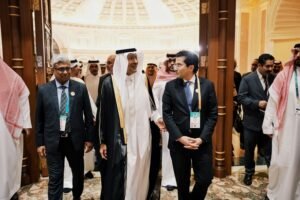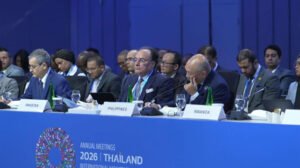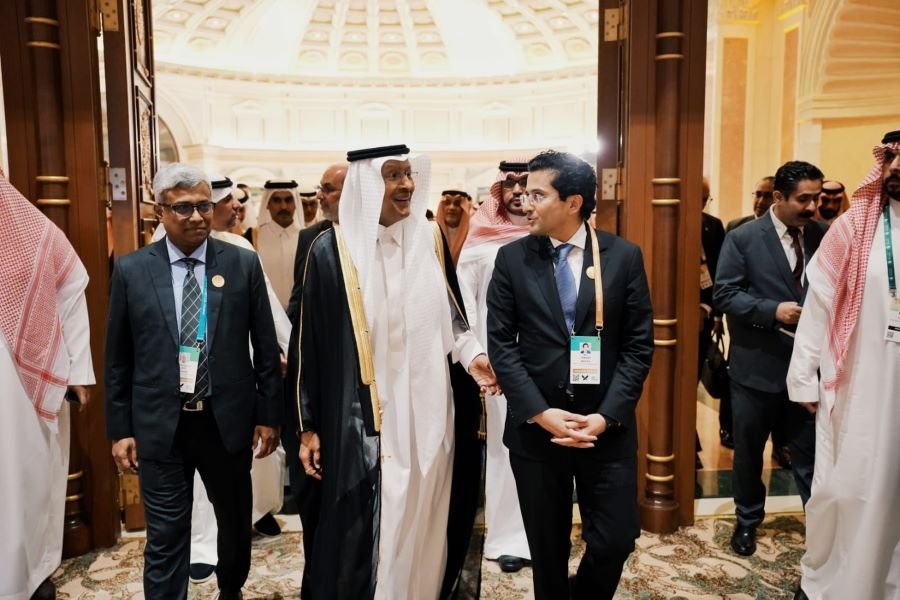
Riyadh (GNP): Petroleum Minister Ali Pervaiz Malik took part in the 17th International Energy Forum (IEF) Ministerial Meeting in Riyadh, attending at the invitation of Saudi Energy Minister Prince Abdulaziz bin Salman bin Abdulaziz Al Saud.
Speaking at the plenary session “Investment and Trade in Sustainable Energy Solutions: Making Energy Clean, Accessible and Affordable,” Malik said Pakistan’s government stands with Saudi Arabia in a time of difficulty. He explained that his presence at the meeting expressed that solidarity and came on the personal instructions of Prime Minister Shehbaz Sharif and Chief of Defence Forces Field Marshal Syed Asim Munir. He condemned the Houthi militia’s terrorist attacks on Saudi soil and offered condolences for the lives lost.
Malik said the global energy sector is entering a new investment cycle in which security of supply, affordability and sustainability have to move forward together. Spending is needed not just on renewables but also on hydrocarbons, critical minerals and key infrastructure such as grids and pipelines.
Turning to the unprecedented global energy supply shock of 2026, he noted that the disruption reached beyond oil and gas into shipping and insurance. Although Pakistan relies heavily on imported energy, it got through the crisis without rationing major energy sources, aided by the government’s response and help from friendly countries including Saudi Arabia, Qatar and Kuwait. He thanked Prince Abdulaziz for personally guiding cooperation with Pakistan.
For the longer term, he said, Pakistan is building its energy security through strategic reserves, a world-class bonded reserves scheme, more domestic production, critical infrastructure such as refineries and tank farms, competitive electricity and gas markets, and targeted relief mechanisms. He argued that international investment and trade frameworks should balance innovation and sustainability with affordability, equity and access, and said Pakistan looks forward to working with all IEF members on shared energy security goals for future generations.
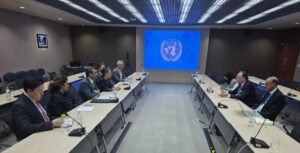
On the sidelines, Malik met Libya’s Minister of Oil and Gas, Khalifa Rajab Abdulsadek, to discuss stronger cooperation in oil and gas. He told him Pakistan has encouraged its refineries to look at importing Libyan crude, as part of an effort to diversify supply and keep alternatives available if key sea routes such as the Strait of Hormuz and the Bab al-Mandeb Strait are disrupted.
The Libyan minister called Pakistan an important country for Libya and said he would urge Libya’s national oil company to allocate more crude to Pakistani firms. He added that Libya plans to upgrade its refineries and is interested in learning from Pakistan’s experience.
Malik also held a lengthy breakfast meeting with Qatar’s Energy Minister, Saad Sherida Al-Kaabi, to explore LNG cooperation. Turkish Energy Minister Alparslan Bayraktar called on him and said he hopes to visit Pakistan next month to receive the TPAO seismic vessel, which will begin data acquisition in the Indus Basin.
Also read: China Shengtang Group Explores $10 Million Investment Opportunity
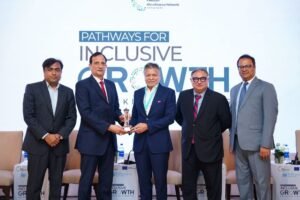
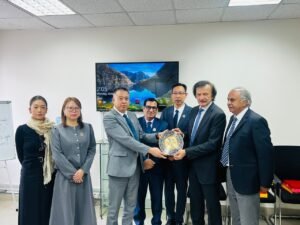
Malik additionally met other ministers and energy company heads. The meetings, the report said, underlined Pakistan’s commitment to international energy cooperation, supply diversification, resilient infrastructure and investment in a secure, affordable and sustainable energy future.

Sohail Majeed is a Special Correspondent at The Diplomatic Insight. He has twelve plus years of experience in journalism & reporting. He covers International Affairs, Diplomacy, UN, Sports, Climate Change, Economy, Technology, and Health.