Geneva (GNP): The World Health Organization (WHO) has found no evidence of ongoing transmission linked to the death of a laboratory worker in Russia, although the cause of death remains unconfirmed.
WHO learnt of the case on 2 October 2026 through media reports. The victim was an employee of the Irkutsk Antiplague Research Institute (APRI) of Siberia and the Far East, who died after being hospitalised with severe pneumonia on 29 September.
Those reports suspected pneumonic plague following occupational exposure in laboratory settings, so WHO moved to verify them. Between 3 and 7 October it contacted Russian health authorities several times, including to check a purported second case, under the International Health Regulations (2005) (IHR).
Russia’s National Focal Point for the IHR replied on 6 October. It confirmed the death but said no plague case had been registered recently in Irkutsk Oblast.
According to the authorities, the worker first showed symptoms compatible with an acute respiratory viral infection. After testing negative for several high-threat pathogens, the person was determined to have died from pneumonia of undetermined etiology.
Further information followed after WHO’s requests on 7 and 8 October. Russia’s report said the death was not due to plague and that the worker had been vaccinated against the high-threat pathogens handled at work. It also said the individual had not travelled outside Irkutsk Oblast in the two weeks before symptoms began.
The authorities then described their response. A regional sanitary and anti-epidemic commission met in extraordinary session on 2 October, and the federal agency Rospotrebnadzor approved an action plan covering contact tracing, laboratory testing and infection prevention and control. Five of its organisations, including three research institutions, took part.
Contacts were placed under medical observation in healthcare facilities or at home, with daily laboratory testing for seven days. All remained asymptomatic, and none tested positive for the pathogens under investigation.
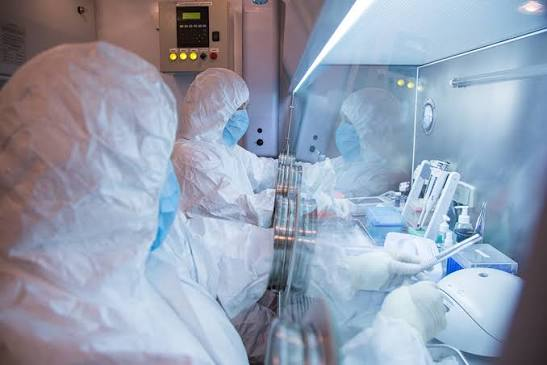
More than 5,500 laboratory tests were carried out using bacteriological, biological, mass spectrometric and molecular genetic methods. None detected high-consequence pathogens, and only common infections turned up among contacts: two cases of COVID-19, three of rhinovirus, one of Haemophilus spp. and other opportunistic infections.
The authorities also addressed the media reports. They said two independent investigations found no biosafety or biosecurity incident at the institute. Apart from the hospital treating the patient, which was placed under quarantine, they said no other healthcare facility faced such measures.
WHO’s own assessment is more cautious. Based on the information provided, it has not identified evidence of ongoing transmission. Its main concern is that no confirmed diagnosis exists, and it has not received information identifying the agent that caused the fatal illness.
For that reason WHO says it cannot independently judge whether the monitoring period for contacts was long enough to rule out every plausible cause. The worker’s job at an institution handling high-consequence pathogens also matters, so it says a laboratory-associated exposure cannot be fully excluded at this stage.
Also Read: President, PM Call for an End to Stigma and Real Action
WHO has offered Russian authorities support on high-threat pathogens and laboratory biosafety and biosecurity. It says further clinical, epidemiological and laboratory information, including confirmation of the diagnosis, is needed to improve confidence in its assessment.
Its advice follows from that gap. Investigation of available specimens should continue, with confirmatory testing by reference laboratories where needed, and countries may consider strengthening surveillance and testing for respiratory infections and encouraging recommended vaccinations.
WHO also recalls the importance of robust biosafety, biosecurity and infection control in laboratories handling hazardous agents. It stresses that this advice is precautionary and does not mean a laboratory-associated infection has been confirmed.
On the evidence available, WHO does not advise any restrictions on travel or trade linked to this event. It will keep monitoring the situation and update its recommendations as more information emerges.

Managing Editor at Global News Pakistan (GNP), with a Bachelor's degree in International Relations from Riphah International University, graduated with a Gold Medal. Reach out at sabahtareengnp@gmail.com