
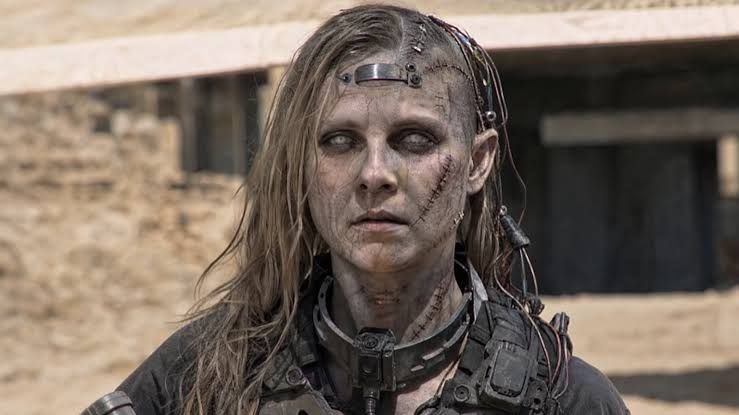
VANCOUVER (GNP): AI Film is gaining global attention after acclaimed South African-Canadian filmmaker Neill Blomkamp introduced NIGHTBORNE, a 13-minute experimental science-fiction project created using Seedance 2.0, an advanced artificial intelligence video generation platform. Blomkamp announced the project through his official X account, describing it as his first full AI film test and the beginning of a broader effort to produce a feature-length movie using AI-assisted filmmaking.
Known for directing critically acclaimed films such as District 9, Elysium, and Chappie, Blomkamp has long explored the relationship between humanity and technology. His latest project extends that interest beyond storytelling into the filmmaking process itself. Rather than relying solely on traditional production techniques, the director integrated AI-generated visuals with real actors, dialogue, and post-production methods to create a cinematic experiment that tests the capabilities of modern generative AI.
According to Blomkamp, he has spent the past two years experimenting with artificial intelligence before reaching a stage where he believes the technology is capable of supporting larger creative projects. While he described NIGHTBORNE as only a “test start,” the film represents a significant milestone in the growing use of AI within the entertainment industry. The project demonstrates how AI tools can accelerate visual production while allowing filmmakers to focus on storytelling and creative direction.
The release quickly generated widespread discussion across social media platforms. Many viewers praised the project’s impressive visuals, cinematic atmosphere, and realistic environments, suggesting that AI technology is advancing more rapidly than expected. Supporters argued that AI could reduce production costs, shorten development timelines, and create new opportunities for independent filmmakers who may lack access to expensive visual effects studios.
However, the announcement also reignited debates about the future of creative industries. Film professionals, artists, and writers have expressed concerns that AI-generated content could eventually replace traditional creative jobs or diminish the role of human artists. Critics argue that while AI can generate visually appealing material, it cannot fully replicate human emotion, lived experience, or artistic originality. Others believe AI should remain a supporting tool rather than replacing directors, screenwriters, designers, and actors.
The emergence of AI-generated filmmaking reflects broader technological changes already taking place across the media industry. Artificial intelligence is increasingly being used in script development, visual effects, animation, dubbing, editing, and marketing. Major technology companies continue investing heavily in generative AI models capable of producing realistic images, videos, voices, and interactive content within minutes.
Also Read: D-8 Adopts Istanbul Declaration Ahead of COP31
For the global film industry, projects like NIGHTBORNE may signal the beginning of a new production model in which AI complements traditional filmmaking rather than replacing it entirely. Future productions could combine human creativity with machine-generated assets to improve efficiency while maintaining artistic quality. The long-term impact will depend on how filmmakers, audiences, regulators, and creative professionals choose to adopt and govern these emerging technologies.
Neill Blomkamp’s experiment also highlights the importance of establishing ethical guidelines regarding copyright, transparency, and intellectual property. As AI-generated films become more common, policymakers and industry organizations will likely develop standards that ensure responsible use while protecting the rights of creators.
Although NIGHTBORNE is only an experimental project, its release marks an important moment in the evolution of digital cinema. The film demonstrates that artificial intelligence is no longer limited to research laboratories but is becoming an active creative partner in professional filmmaking. Whether AI transforms the industry or simply becomes another production tool, Blomkamp’s latest work has intensified the global conversation about the future of cinema in the age of artificial intelligence.