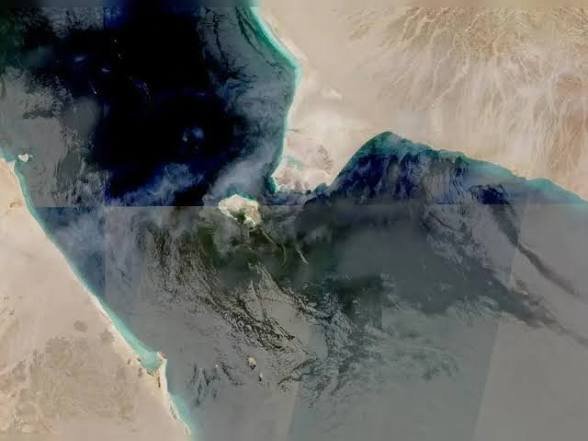
Yemen (GNP): Regional security concerns have intensified after Yemen’s Houthi movement announced a naval blockade targeting Saudi Arabia, a move that could significantly disrupt commercial shipping in the Red Sea and increase pressure on global trade routes.
According to security assessments, the blockade could discourage commercial vessels from sailing through the Red Sea, forcing shipping companies to reconsider their routes and increasing transportation costs.
Although no Houthi attacks on commercial shipping have been recorded since July 7, 2025, reports indicate that on July 20 Houthi forces instructed Saudi bound vessels via radio to turn back before reaching Saudi ports.
The Red Sea is one of the world’s busiest maritime trade corridors, connecting Europe, Asia, and the Middle East through the Suez Canal. Any disruption to this route can delay global supply chains, raise freight costs, and affect international energy markets.
Security analysts believe the Houthi announcement may serve multiple strategic objectives. One possible aim is to discourage Saudi Arabia from launching additional military operations against Houthi-controlled areas in Yemen.
At the same time, the move aligns with broader Iranian efforts to increase pressure on the United States and its regional allies by expanding tensions into another critical maritime region.
Reports suggest that Iran is seeking to widen the geographical scope of its confrontation with the United States by creating instability in the Red Sea.
Increased disruption in one of the world’s most important shipping lanes could impose additional economic costs on international markets while complicating regional security operations.
At the time, some senior Iranian officials are reportedly concerned that continued conflict could further damage Iran’s economy and increase domestic instability.
Ongoing sanctions, inflation, and economic pressure have already placed significant strain on the country. Despite these concerns, Iran’s military leadership has continued to maintain a firm regional posture.
At the same time, the United States has reportedly expanded military strikes targeting suspected missile launch sites in northwestern and central Iran as part of its broader regional security operations.Maritime security remains another major concern.
Reports indicate that Iran continues to pressure commercial vessels to sail through Iranian territorial waters rather than alternative navigation routes in the Strait of Hormuz. Since the latest reporting period, Iran has allegedly intercepted or attacked at least two vessels operating in the strategic waterway, further increasing concerns about freedom of navigation.
Also Read: Kazakhstan reaffirmed economic ties with Pakistan
In another development, Iran’s Islamic Revolutionary Guard Corps (IRGC) released a statement thanking members of the Jordanian public for allegedly providing information that supported recent Iranian military operations targeting Jordan.
Analysts suggest the statement may be intended to making the stronger public support across the region while countering reports that Russia and China have assisted Iran in targeting U.S. assets during the ongoing regional conflict.
Experts warn that continued escalation in both the Red Sea and the Strait of Hormuz could have serious consequences for global commerce. Shipping companies may face higher insurance premiums, longer delivery times, and increased operational costs if security risks continue to rise.
The international community continues to closely monitor developments, as further instability in these critical maritime corridors could affect energy supplies, international trade, and regional security across the Middle East and beyond.