
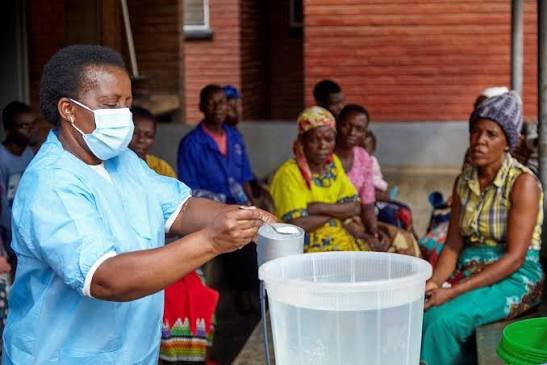
Africa (GNP): The World Health Organization (WHO) African Region has raised concerns about ongoing cholera outbreaks affecting multiple countries across Africa, identifying the disease as a major public health threat requiring urgent and coordinated action.
According to recent data released by WHO, more than 296,000 cholera cases and over 6,200 deaths have been reported across 24 African countries since January 2025.Health officials warn that some factors are contributing to the spread of the disease, like armed conflicts, population displacement, flooding, and climate related disasters. These challenges have increased pressure on already vulnerable health systems and limited access to safe drinking water and sanitation services in many affected communities.
Cholera is an acute diarrheal disease caused by consuming food or water contaminated with bacteria. Without timely treatment, the disease can lead to severe dehydration and death.
Along with that ,experts argue that cholera is both preventable and treatable when appropriate public health measures are in place.In response to the growing crisis, the World Health Organization is working closely with governments, healthcare providers, humanitarian agencies, and local communities to strengthen disease prevention and control efforts.
WHO’s support includes vaccination campaigns, disease surveillance systems, treatment services, and improvements in water, sanitation, and hygiene infrastructure.
Also Read: Dr.Tedros Adhanom calls for community action to End Ebola Outbreak
According to WHO officials, vaccination is one of the most important and effective tools in reducing the spread of cholera and protecting vulnerable populations. The organization has also been assisting countries in distributing oral cholera vaccines to communities at high risk of infection while also strengthening healthcare systems to improve early detection and a quick response to outbreaks.
Disease surveillance efforts have also been expanded to help health authorities to identify cases quickly and prevent further transmission. Through all this enhanced monitoring systems, healthcare workers can track outbreaks more effectively, deploy resources where they are needed most, and provide timely treatment to affected individuals.
In addition to medical interventions, WHO continues to prioritize access to clean water and sanitation facilities. Poor sanitation and contaminated water sources remain the leading causes of cholera transmission. The organization is supporting initiatives that aimed at improving water quality, promoting hygiene education, and ensuring that communities have access to essential sanitation services.
WHO officials added that addressing cholera requires a comprehensive approach that goes beyond healthcare alone. Long term investments in infrastructure, disaster preparedness, climate resilience, and community education are necessary to reduce the risk of future outbreaks.
The organization has called on governments, development partners, and international donors to increase the support for public health programs and strengthen the preventive measures across the continent.The impact of climate change has emerged as a important concern in the fight against cholera.
Extreme weather events like as floods and droughts can damage water systems, force population movements, and create conditions that facilitate the spread of waterborne diseases. As climate related challenges continue to intensify, public health experts emphasize the importance of building resilient health systems capable of responding to evolving threats.
Despite all the challenges, WHO remains committed to supporting affected countries and saving lives through coordinated action and international cooperation. The organization continues to work alongside national authorities and local communities to strengthen prevention measures, improve healthcare access, and reduce cholera related deaths.
As Africa confronts one of its most important public health challenges, WHO urges all stakeholders to work together to combat cholera and protect vulnerable populations. Through sustained investment, community engagement, and effective public health interventions, progress can be made toward controlling the outbreaks and building the healthier, and more resilient communities across the continent.