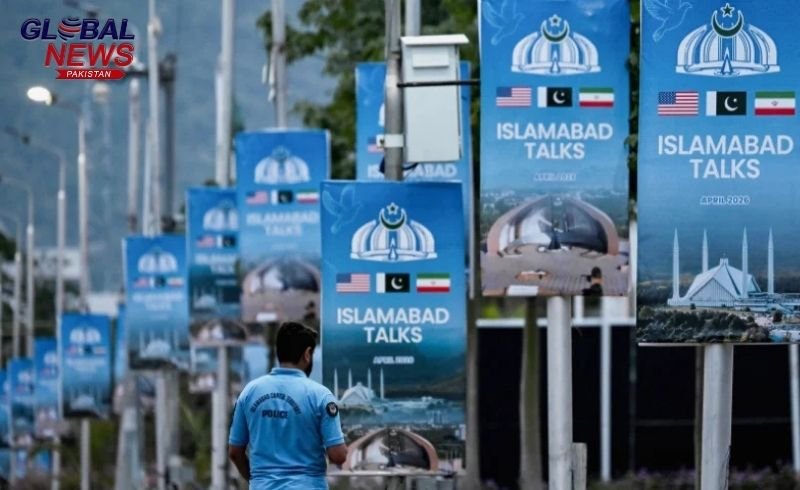
ISLAMABAD: Pakistan is preparing to host a significant second round of talks between the United States and Iran this week, marking a critical step in ongoing diplomatic efforts to ease tensions between the two nations. According to officials, US Vice President JD Vance is now expected to lead the American delegation, accompanied by special envoy Steve Witkoff and senior adviser Jared Kushner. This development comes despite earlier indications from President Donald Trump that Vance would not attend, with a White House official later confirming that plans had changed.
The upcoming discussions in Islamabad follow an initial round that successfully kept communication channels open amid a fragile geopolitical environment. Reports suggest that a high-level Iranian delegation will arrive on Tuesday, likely including Foreign Minister Abbas Araghchi and Parliament Speaker Mohammad Bagher Ghalibaf.
With the current US-Iran ceasefire due to expire on April 22, the urgency surrounding these negotiations has intensified. While the situation remains delicate, there is cautious optimism that continued dialogue could lead to meaningful progress. The first round of talks was notable for establishing rare direct engagement between Washington and Tehran, helping to prevent further escalation.
Now, attention has shifted to building on that progress. Mediators are hopeful that sustained diplomatic engagement will not only extend the ceasefire but also lay the groundwork for a broader agreement aimed at ending hostilities that have affected regional stability and global energy markets.
Pakistan has played a central role in facilitating these efforts, having brokered a 14-day ceasefire earlier this month. Officials describe Islamabad’s position as that of an “honest broker,” committed to encouraging constructive dialogue between both sides. Government sources indicate that negotiations are showing positive momentum, though several key issues remain unresolved and will require further discussion.
President Trump has expressed measured optimism about the talks, referring to them as “very good conversations,” while also emphasizing that the United States continues to maintain a firm stance. He has also suggested the possibility of visiting Islamabad in the future if a comprehensive agreement is reached.
In parallel, Pakistan’s Prime Minister Shehbaz Sharif held a 45-minute phone call with Iranian President Masoud Pezeshkian, during which both leaders reviewed the evolving regional situation and ongoing diplomatic initiatives. Sharif thanked Iran for its earlier participation in talks and highlighted his recent engagements with leaders from Saudi Arabia, Qatar, and Turkiye, noting that these interactions have helped build broader support for continued dialogue.
Reaffirming Pakistan’s commitment, Sharif stressed the country’s dedication to promoting peace and stability in the region with the backing of international partners.
However, challenges persist. Iran has reinstated restrictions in the Strait of Hormuz, tying any reopening to the removal of US maritime measures. Iranian officials have acknowledged some progress in negotiations but caution that significant differences still exist.
Pakistan’s Foreign Minister Ishaq Dar emphasized that the goal extends beyond merely prolonging the ceasefire, underscoring the importance of achieving a permanent resolution to the conflict. He noted that over 80 percent of the groundwork has already been completed and called on both sides to demonstrate flexibility in the final stages of the negotiations.