
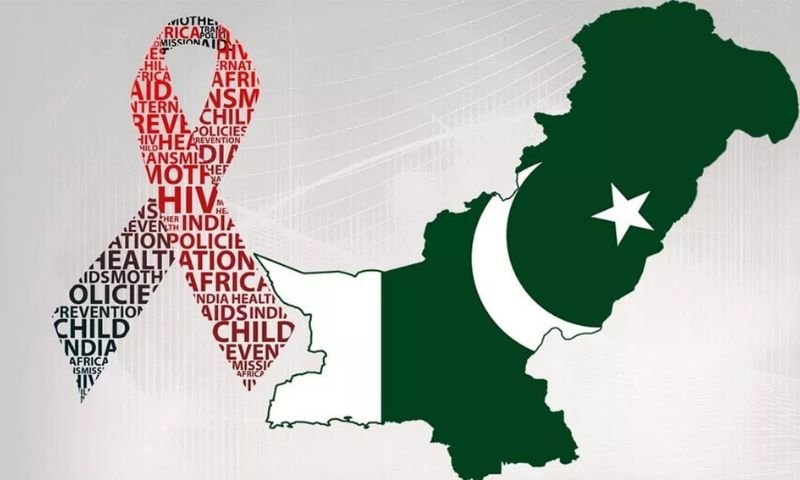
Pakistan is experiencing a troubling increase in HIV/AIDS cases, with health experts raising serious concerns over the rapidly growing number of infections nationwide.
According to the latest available figures, approximately 108,400 cases of HIV/AIDS have been reported across the country. Punjab ranks at the top with the highest number of infections, followed by Khyber Pakhtunkhwa and Sindh.
In Punjab alone, more than 45,000 individuals are currently living with the virus. Among major cities, Lahore leads with over 10,000 reported cases. It is followed by Faisalabad with around 5,000 cases and Multan with more than 3,000. Other districts such as Sargodha and Gujrat have each recorded over 2,800 cases, while Nankana Sahib has reported more than 2,000 infections.
In Khyber Pakhtunkhwa, a total of 39,702 cases have been documented, including 1,276 new infections reported this year. Peshawar accounts for 1,877 cases, while Bannu has reported 988. Additional cases have also been identified in districts such as Mardan, Charsadda, Swabi and Nowshera.
Sindh ranks third with 15,639 HIV-positive individuals. During the first quarter of the current year, 894 new cases were reported in the province, including 332 men, 204 women, 29 transgender persons, and 329 children. Karachi, the country’s largest urban centre, continues to account for a significant share of infections.
In Balochistan, a total of 3,303 cases have been recorded, including 707 women and 90 transgender individuals. Quetta has the highest number of cases at 2,614, followed by Turbat with 368, Hub with 159, Nasirabad with 66, and Loralai with 96 cases.
The federal capital, Islamabad, has reported 4,756 cases, including 3,432 men, 805 women, 422 transgender individuals, as well as 67 boys and 30 girls.
Health experts caution that the real number of infections could be significantly higher possibly exceeding 350,000 as many individuals remain unaware of their status due to the absence of early symptoms.
They attribute the surge primarily to unsafe medical practices, including the reuse of contaminated syringes, unsafe blood transfusions, lack of adequate healthcare facilities, and the use of unsterilized instruments in procedures such as ear and nose piercing.
Experts are urging immediate action, including widespread awareness campaigns, enhanced screening measures, and stricter enforcement of health regulations to control the spread of the disease, which they warn is becoming a “silent and dangerous threat” to public health.