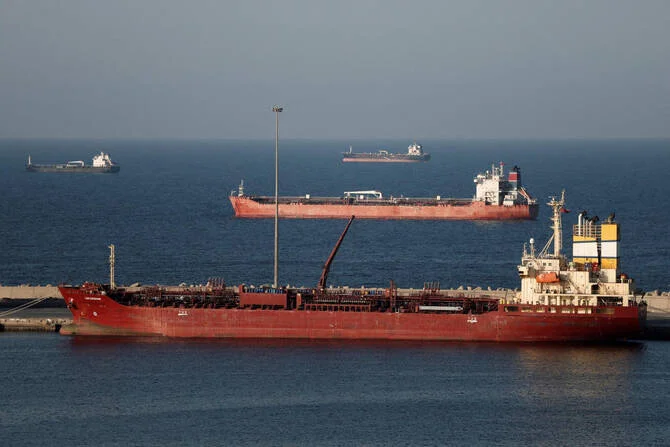
Washington (GNP) :- President Donald Trump has warned that NATO could face a“very bad” future if its member states fail to assist Washington in reopening the Strait of Hormuz, a critical global oil shipping route disrupted by the military conflict, which has now entered its 17th day.
In an interview the Financial Times published on Sunday, Trump urged American allies and other major economies to contribute military support to secure the narrow waterway, which links the Persian Gulf to global markets.
The strait carries roughly 20%of the world’s oil and liquefied natural gas shipments, making it one of the most strategically important maritime chokepoints. Iran has effectively blocked the passage following US and Israeli strikes on February 28, raising fears of prolonged disruptions to global energy supplies and shipping routes.
Trump criticized NATO allies and other major economies for relying heavily on Gulf energy supplies while contributing little to securing the waterway. He called on countries such as Britain, France, Japan, South Korea and China to provide military assets, including minesweepers, air defenses and special forces, to help reopen the strait. “If they don’t help, NATO is going to have a very bad future,” Trump said, suggesting that the alliance must demonstrate reciprocal support for US security efforts.
The president also singled out China, noting that Beijing depends heavily on oil transported through the Strait of Hormuz. Trump suggested he could delay a planned summit with President Xi Jinping if Beijing does not clarify its position on assisting efforts to secure the route. The comments come as tensions in the Middle East intensify, with global oil prices surging and several countries expressing concern about the potential economic fallout from a prolonged disruption in Gulf energy exports.
Trump also voiced frustration with some European allies over what he described as slow responses to US calls for naval deployments in the region, particularly the United Kingdom. The developments highlight growing strains within NATO as the alliance grapples with the geopolitical and economic consequences of the expanding US–Iran confrontation.

Sohail Majeed is a Special Correspondent at The Diplomatic Insight. He has twelve plus years of experience in journalism & reporting. He covers International Affairs, Diplomacy, UN, Sports, Climate Change, Economy, Technology, and Health.