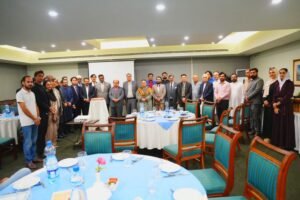
Islamabad (GNP) :- UNICEF and the King Salman Humanitarian Aid and Relief Centre (KSrelief), have marked the successful completion of a joint initiative that helped vaccinate 2.8 million children from polio, while strengthening routine immunization and health systems nationwide.
“Children in Pakistan continue to face significant health risks due to gaps in immunization, especially in underserved and hard-to-reach areas. This initiative marks a significant step forward in improving the health and well-being of children in Pakistan. With the support of KSrelief, we have expanded access to life-saving vaccines, strengthened immunization systems, and ensured that even the most vulnerable children are protected,” said Pernille Ironside, UNICEF Representative in Pakistan.
The initiative aimed to strengthen routine immunization and help prevent polio outbreaks among children under five in Pakistan. It supported the vaccination of 2.8 million children across the country during two national polio campaigns in 2024.
To enhance immunization service delivery, UNICEF completed the solarization of five health facilities in Gilgit-Baltistan and Balochistan, improving the reliability of cold-chain systems and strengthening overall health services, particularly in areas facing access and electricity challenges.
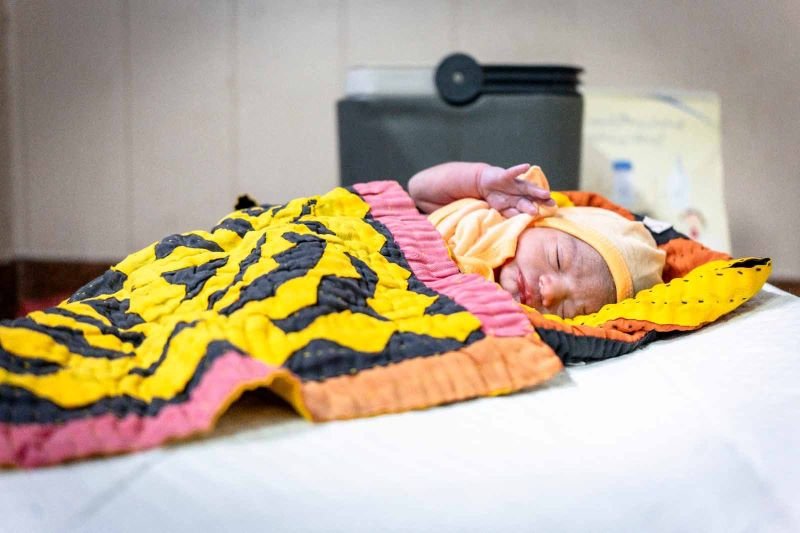
UNICEF also strengthened immunization systems by building the capacity of more than 200 health workers across Islamabad, Balochistan, and Sindh at eight 24/7 birth-dose sites supported by KSrelief. These efforts improved timely vaccination at birth, strengthened follow-up for newborns, and reduced the number of zero-dose and defaulter children, lowering the risk of outbreaks of vaccine-preventable diseases.
As a result of this partnership, 90 per cent of targeted newborns across eight KSrelief-supported 24/7 birth dose sites were vaccinated against tuberculosis, hepatitis B, and polio, ensuring immediate protection at birth and sustained follow-up care.
With support from committed partners like KSrelief, UNICEF is helping to protect children from preventable diseases, starting from their earliest moments.

Sohail Majeed is a Special Correspondent at The Diplomatic Insight. He has twelve plus years of experience in journalism & reporting. He covers International Affairs, Diplomacy, UN, Sports, Climate Change, Economy, Technology, and Health.