By
Maira Waheed
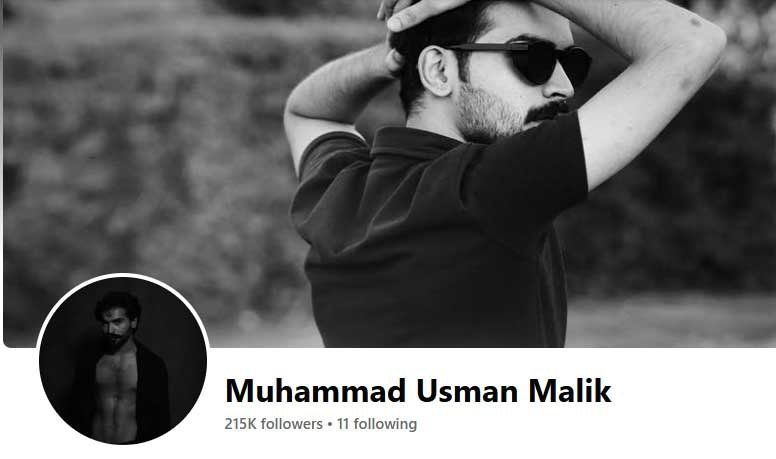
Pakistani actor and model Muhammad Usman Malik has recently drawn quiet industry attention after declining a hosting role at a major music festival not because of scheduling conflicts, but because the offer placed him at the media wall rather than on the main stage.
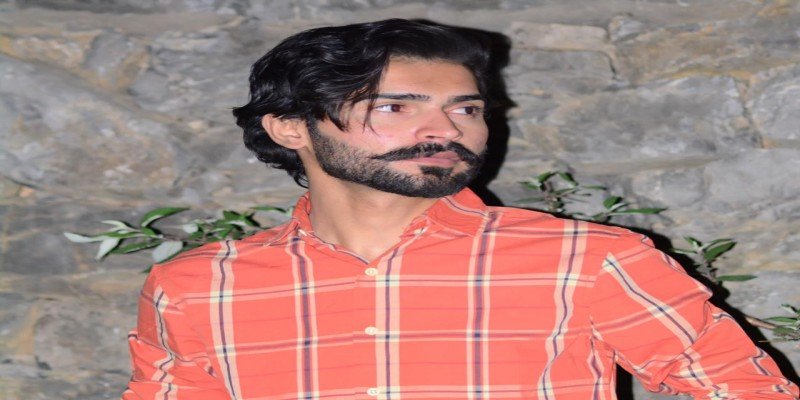
To an outside audience, the difference might appear procedural. Within live event culture, however, placement signals function. Media wall hosts facilitate arrivals, sponsor visibility, and press interaction. Stage hosts engage directly with audiences and shape the live experience of the evening. Malik chose not to take part, and his team later confirmed the decision without public fanfare.
The choice has stood out largely because it aligns with a pattern already visible in his public life. Malik has built his screen presence through supporting roles in commercially released films such as Parchi and Heer Maan Ja, before expanding recognition with his appearance in Umro Ayyar, where he played Zubair. His transition into television with 22 Qadam introduced him to a broader drama-viewing audience and strengthened his mainstream recall.
Alongside these roles, his public appearances have consistently leaned toward a distinct visual language. At film promotions and award-season gatherings, Malik has appeared in structured monochrome tailoring paired with textured heritage shawls, contemporary silhouettes layered with traditional fabrics, and minimalist winter ensembles that resist the more embellished red-carpet norms often seen at industry events. These choices have gradually shaped his recognisability not just as an actor, but as a controlled visual presence.
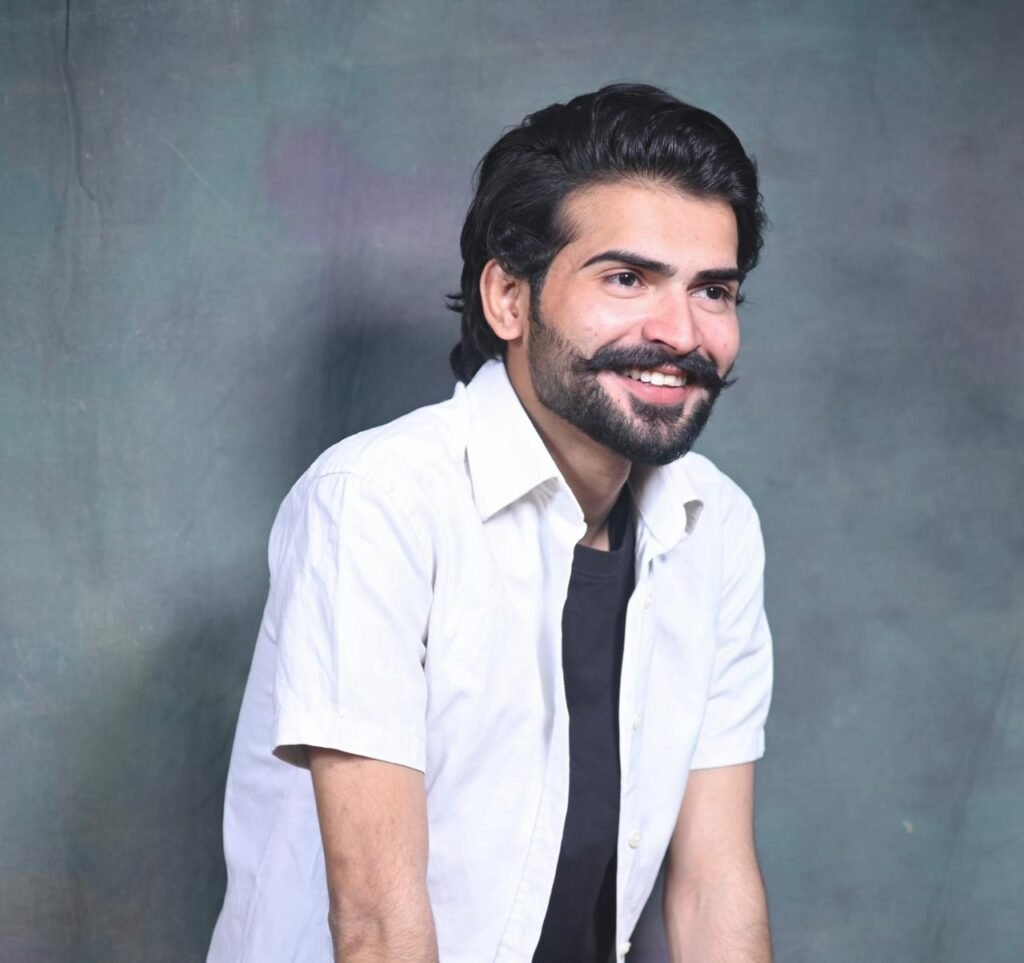
Equally noticeable is his social rhythm at such gatherings. He tends to arrive, fulfil formal obligations, acknowledge familiar collaborators, and then remain within a contained circle rather than actively working the room. Directors, stylists, and co-actors from past projects often form the extent of his interaction. This has contributed to an image of reserve that sits somewhere between professionalism and distance.
Within that context, declining a media wall hosting role appears less like a sudden assertion and more like a continuation of an existing approach. Malik’s career has not been built on volume. He has not pursued an uninterrupted stream of television roles or saturated endorsement platforms. Instead, his visibility has grown through selective performances and visually deliberate public appearances.
For performers whose public identity relies partly on curated presence, the distinction between symbolic visibility and functional engagement carries weight. A media wall host is visible; a stage host is central. Choosing between the two becomes less about exposure and more about the nature of participation.
The decision also reflects a broader recalibration taking place among emerging actors in Pakistan’s entertainment landscape. As social media blurs the line between presence and performance, live events increasingly serve as extensions of personal branding. Where one stands literally shapes perception.
By stepping away from a media wall role, Malik did not withdraw from exposure altogether. He declined a particular form of it. In an industry where positioning can matter as much as participation, even small decisions can quietly influence how a career is framed over time.