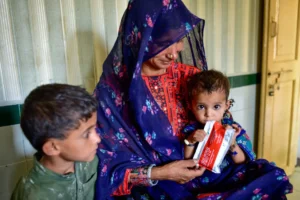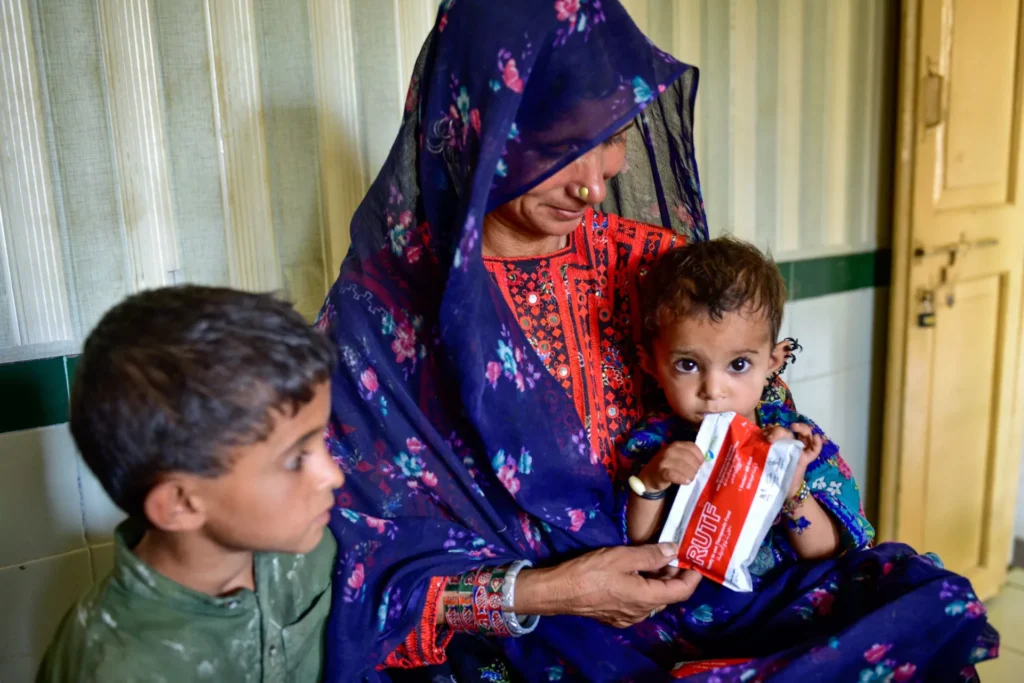
Islamabad : Nutrition International, programme manager zameer Haider has said Malnutrition remains a major public health challenge in Pakistan. Punjab, one of the country’s most populous provinces, faces high rates of stunting, wasting, and anaemia among children, as well as widespread micronutrient deficiencies among women of reproductive age. According to Nutrition International’s Cost of Inaction Tool, the economic burden of malnutrition in Pakistan is estimated at over USD 17 billion (PKR 4.76 trillion) annually, due to productivity losses, increased healthcare costs, and reduced cognitive potential in children.
According to the Multiple Indicator Cluster Survey (MICS) 2018, in Punjab, 31.5% of children under five suffer from stunting, 7.5% from wasting, and 21.2% are underweight, while 42.2% of women and 52% of children under five are affected by anaemia.
Food fortification, the addition of essential micronutrients such as iron, folic acid, and vitamins A and D to commonly consumed staples like wheat flour, edible oil, and salt, is globally recognized as a highly cost-effective public health intervention. Every dollar invested in fortification can generate an average return of USD 27 for every dollar invested, through disease prevention, improved productivity, and enhanced lifetime earnings. In Pakistan, fortifying a 20-kg bag of wheat flour costs approximately PKR. 20, and one kilogram of edible oil costs about PKR. 0.75, making it an affordable intervention with wide population reach.
During the discussion session, participants highlighted that Sindh, Balochistan, and Khyber Pakhtunkhwa have enacted mandatory fortification measures, and underscored the need for Punjab, home to the country’s largest population and a major producer of wheat flour, to create an enabling policy and regulatory framework to support sustainable food fortification and safeguard the health of a large segment of the population
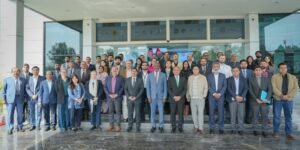
Speaking at the workshop, Zameer Haider, Senior Program Manager, Large Scale Food Fortification, Nutrition International, said, “While many families consume sufficient calories, millions continue to suffer from hidden hunger — deficiencies in essential vitamins and minerals that weaken immunity, impair cognitive development, and reduce economic productivity. As Punjab advances its ‘Healthy Punjab’ vision under the leadership of the Chief Minister, preventive interventions such as food fortification can play a critical role in reducing the burden of micronutrient deficiencies alongside curative services.
”
He added that the media plays a critical role in highlighting this public health challenges and promoting informed public and policy dialogue to support creating an enabling environment for sustainable solution”
As part of its continued efforts to advance the nutrition agenda in Pakistan