10th ECO Ministerial Meeting on Disaster Risk Reduction Concludes with Adoption of Islamabad Declaration
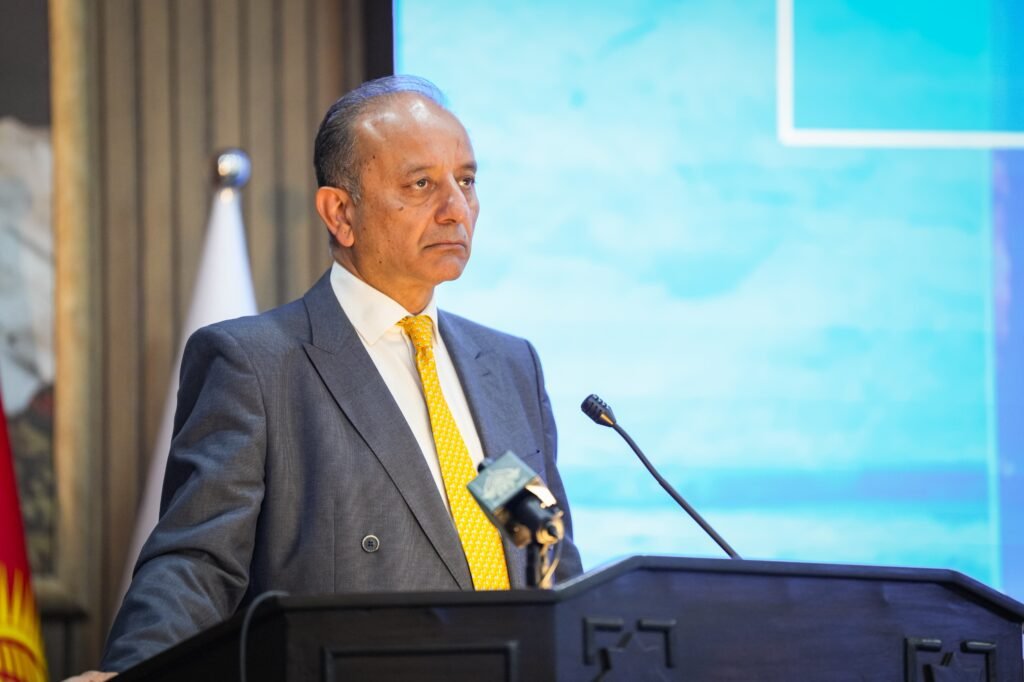
Islamabad : Federal Minister for Climate Change & Environment Coordination Dr. Musadiq Malik as Chief Guest during the closing ceremony, emphasized that Climate-induced disasters are no longer distant possibilities; they are realities we face. The ECO platform provides us with the opportunity to act collectively, ensuring that our strategies are inclusive, science-based, and people-centered. Pakistan is committed to leading by example, fostering regional solidarity, and empowering vulnerable groups to be at the heart of disaster risk reduction.
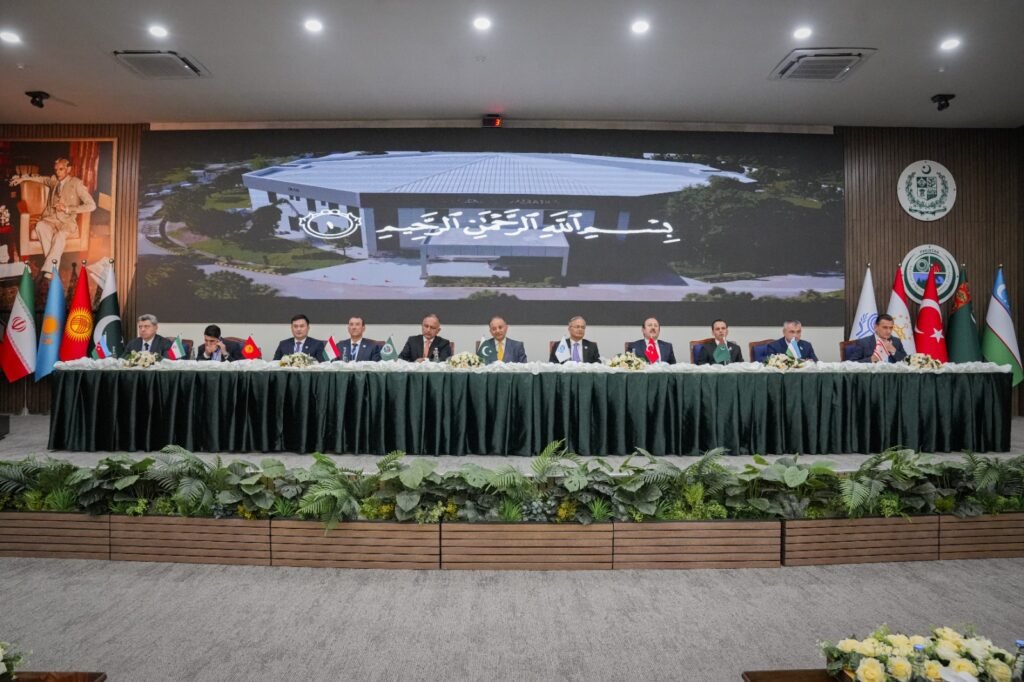
10th Ministerial Meeting of the Economic Cooperation Organization (ECO) on Disaster Risk Reduction (DRR) concluded with the adoption of the Islamabad Declaration on Disaster Risk Reduction, reaffirming the collective commitment of ECO Member States to strengthen regional cooperation, disaster resilience and coordinated action against disasters. The two-day meeting, held from 21–22 January, was hosted by National Disaster Management Authority (NDMA) on behalf of the Government of Pakistan and brought together Ministers, Head of Delegations and senior officials from ECO Member States, along with representatives of regional and international organizations. Chairman NDMA Lt Gen Inam Haider Malik chaired the session. The closing ceremony was attended by Federal Minister for Climate Change & Environment Coordination Dr. Musadiq Malik as Chief Guest.
The 10th ECO Ministerial Meeting reviewed the outcomes of the High-Level Working Group held on 21 January and endorsed key decisions to strengthen disaster preparedness, risk governance, and resilience across the ECO region. These commitments, aligned with the Izmir Treaty, ECO Vision 2025, and the Sendai Framework, were incorporated into the Islamabad Declaration 2025. Lieutenant General Adil Abdullayev, Deputy Minister of Emergency Situations of the Republic of Azerbaijan, emphasized the importance of strengthening regional coordination to address increasingly complex disaster risks. Ernest Zhusupov, Deputy Minister of Emergency Situations of the Kyrgyz Republic, underscored the need for collective preparedness, capacity building and strengthened early warning systems across the ECO region.
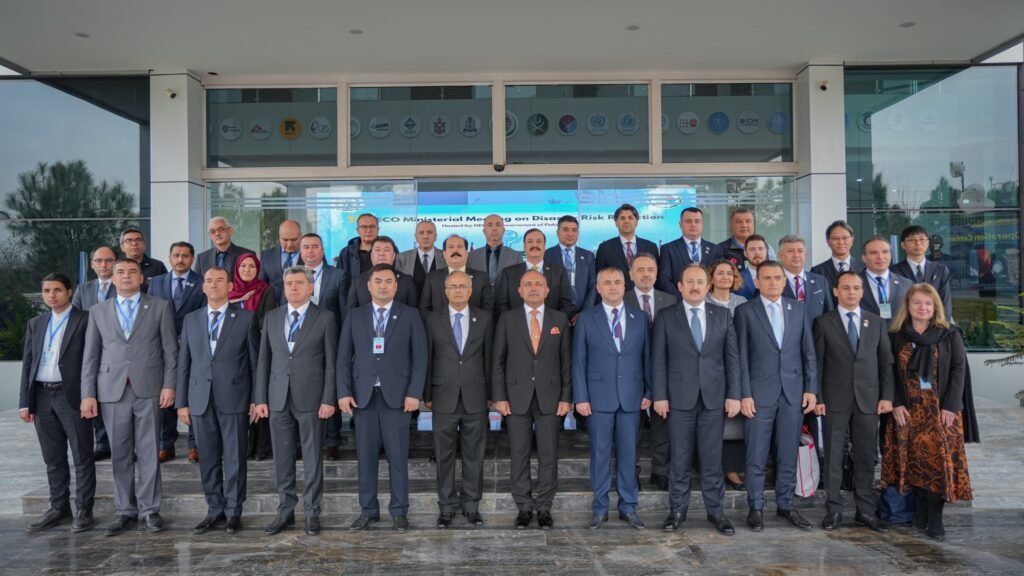
Major General Isozoda Sulaymon Umar, Deputy Chairman of the Committee for Emergency Situations and Civil Defence of the Republic of Tajikistan, recalled the outcomes of the 9th ECO Ministerial Meeting held in Dushanbe in 2024 and highlighted the growing risks posed by climate-induced hazards, stressing the importance of harmonized regional frameworks and coordinated implementation mechanisms. Ali Hamza Pehlivan, Head of the Disaster and Emergency Management Authority (AFAD) of the Republic of Türkiye, reaffirmed Türkiye’s commitment to regional cooperation and welcomed initiatives for joint training, simulation exercises and real-time seismic data sharing through the proposed Regional Seismic Data Centre. Sanjar Takhirovic Zuparov, First Deputy Minister of Emergency Situations of the Republic of Uzbekistan, emphasized strengthening institutional coordination and translating regional commitments into practical, action-oriented outcomes.
Muhammad Idrees Mahsud, Member DRR, Pak-NDMA, highlighted Pakistan’s commitment to advancing regional resilience through innovative and inclusive disaster risk reduction approaches, technology-driven capacity building and disaster early warnings, anticipatory action supported by Pakistan’s National Emergencies Operation Center. Umyd Orazmammedov, Defence Attaché of the Embassy of the Republic of Turkmenistan to Pakistan, conveyed his country’s support for enhanced regional collaboration. Abdol Rahim Motahari Rad, Second Secretary of the Embassy of the Islamic Republic of Iran, reiterated Iran’s commitment to strengthening cooperation under the ECO framework, particularly in disaster response coordination, knowledge exchange and capacity development.
A key outcome of the Meeting was the welcome extended to Pakistan’s offer to utilize the NDMA’s National Emergencies Operation Center (NEOC) as an ECO hub for disaster risk reduction planning, multilateral training simulations, joint assessments, shared analytical products and proactive disaster management approaches. Member States agreed to consider customized NEOC-based models as scalable frameworks for similar facilities across the ECO region, with technical support from Pakistan. The Meeting further encouraged the conduct of regular joint training programmes and simulation exercises, including Comprehensive International Simulation Exercises (CISE), to strengthen regional preparedness, interoperability and coordination among civil, military, academic, private sector and humanitarian stakeholders.
The Ministerial Meeting endorsed key regional initiatives, including the development of a Land Hazard Zonation Map for ECO Member States, improved mechanisms for timely risk communication, enhanced joint search and rescue capacities, real-time seismic data sharing, coordinated logistics and relief operations, and diversified financial and material support through engagement with communities, humanitarian partners, volunteers, and the private sector. Türkiye’s offer to establish a Regional Seismic Data Centre for real-time data exchange was warmly welcomed.
The Meeting also strengthened collaboration with international partners such as UNESCAP, APDIM, and UNICEF. Ministers endorsed the new two-year Work Plan between the ECO Secretariat and UNICEF Tajikistan and appreciated the launch of a joint project—Short Animation Video for Children of the ECO Region on Disaster Prevention and Preparedness—to raise awareness among children and communities.
Through the Islamabad Declaration, Member States reaffirmed their commitment to inclusive, people-centered disaster risk reduction, emphasizing the empowerment of women, youth, older persons, persons with disabilities, and other vulnerable groups. The Declaration highlighted whole-of-government and whole-of-society approaches, academic collaboration, and sustainable partnerships as essential to advancing resilience.
To ensure effective implementation of the updated ECORFDRR in line with ECO Strategic Objectives 2035, the Meeting agreed to strengthen follow-up mechanisms through the ECO Secretariat, including enhanced coordination, technical support, and regular progress reviews. Member States also discussed the date and venue of the 11th ECO Ministerial Meeting, to be finalized in consultation with the Secretariat.
Chairman NDMA Lt Gen Inam Haider Malik stated that the Islamabad Declaration is a collective resolve to safeguard communities of ECO countries against the growing threats of disasters. Pakistan stands ready to share its expertise and advanced capabilities through the National Emergencies Operation Center (NEOC) to strengthen ECO’s regional preparedness and resilience.
ECO Delegates expressed deep appreciation to the Government of the Islamic Republic of Pakistan and Pak-NDMA for the excellent arrangements and warm hospitality extended to all delegations, and commended the ECO Secretariat for its valuable contribution to the successful organization of the Meeting. The conclusion of the 10th ECO Ministerial Meeting marks a renewed collective resolve to translate regional commitments into concrete actions, strengthening disaster resilience and safeguarding communities across the ECO region against present and future risks.